In brief
More than 30,000 workers at Boeing maintain their strike after a significant majority voted against a proposed pay raise, signaling dissatisfaction with the company's negotiating tactics and ongoing operational challenges.
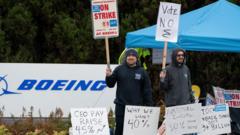
Striking Boeing workers have once again rejected a pay raise offer, this time 35% over four years, with 64% of the International Association of Machinists Aerospace Workers (IAM) voting against it. The walkout, which began on September 13, involves over 30,000 of Boeing’s employees, all seeking better compensation terms after years of sacrifices. Union representatives emphasized that the workers’ decision reflects workplace democracy and highlights the consequences of long-standing corporate treatment, asserting, “After 10 years of sacrifices, we still have ground to make up.” This marks the second rejection of an offer from Boeing, with a prior deal being dismissed by a staggering 95% of the union members. Boeing's CEO, Kelly Ortberg, who stepped into the role in August, warns that the company faces significant challenges, with losses reaching approximately $6 billion. He described the situation as a "crossroads," necessitating urgent resolutions to restore stability, particularly following recent manufacturing and safety issues. The latest troubles for Boeing began in January after a serious incident during a flight, and a failed mission of its Starliner spacecraft further hurt its reputation. The ongoing strike has exacerbated production slowdowns, which have already been problematic due to soaring operational losses in both the commercial and defense sectors, reaching up to $6.4 billion in just three months. Despite these financial setbacks, Ortberg claims that Boeing still holds a backlog of around 5,400 aircraft orders, though he noted the complexities involved in restarting operations once the strike concludes. He stressed the importance of a detailed return-to-work strategy, asserting, "It’s much harder to turn this on than it is to turn it off," indicating a meticulous approach is essential for the company’s recovery. Additionally, Boeing announced plans to reduce its workforce by about 10%, with thousands of employees already affected by furloughs due to the strike. Ortberg’s leadership focus aims to foster a cultural transformation within the organization to prevent ongoing issues and improve operational teamwork moving forward.