In brief
As Daniel Chapo prepares to assume the presidency in Mozambique, he confronts a tumultuous socio-political landscape marked by allegations of electoral fraud and mass protests, challenging Frelimo's long-standing rule.
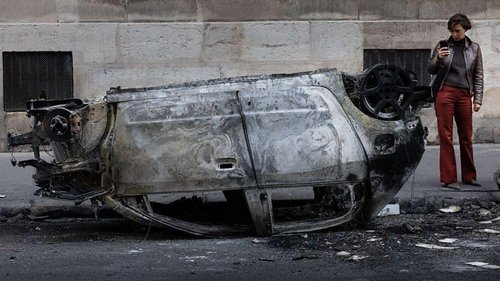
Preparations are intensifying in Maputo, Mozambique, for the inauguration of Daniel Chapo as the nation’s president on Tuesday, following an election that sparked widespread outcry and protests deemed fraudulent by numerous observers. Historically, the ruling party, Frelimo, has enjoyed considerable public support since it led the country to independence from Portuguese rule. Yet, as Chapo steps into office, he is faced with a populace increasingly disenchanted with the party, reflecting a significant decline in confidence after decades of governance marked by unmet promises and emerging crises.In the wake of the October election, which many voters, human rights groups, and international observers condemned, Mozambique has spiraled into significant unrest. With a population of around 33 million, the country has witnessed explosive civil unrest, resulting in over 300 fatalities, primarily due to clashes between demonstrators and security forces.Chapo and his party had anticipated that the inauguration would symbolize a shift toward healing and stability. However, insiders suggest that the hurdles for Frelimo may only be beginning, with few signs of reconciliation after the major opposition parties boycotted the parliamentary opening.The mounting frustrations among citizens have not only led to widespread protests but have also illuminated pressing economic and social issues that remain unaddressed. As he prepares for his presidency, Chapo’s leadership will be put to the ultimate test in navigating through this turbulent political landscape, where the stakes have never been higher for Mozambique’s future.