In brief
A surge of wildfires in Canada has prompted the evacuation of 17,000 residents, with over 188 fires burning across the nation. Emergency services are struggling to contain the flames, facing extreme weather challenges.
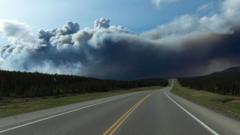
In a devastating spread of wildfires across Canada, approximately 17,000 residents have been ordered to evacuate the province of Manitoba. As flames rapidly advance, military air support is being employed, with aircraft and helicopters deployed to assist evacuations in remote areas. Current forecasts indicate that hot and arid weather is likely to persist, exacerbating the situation.Smoke from the wildfires—now numbering over 188—has adversely affected air quality across Canada and into the United States. Both Manitoba and Saskatchewan have declared emergencies for the next month, requesting international assistance as they strive to control the raging fires. Currently, Saskatchewan is facing 17 active wildfires, with eight still uncontained, prompting Premier Scott Moe to warn of a potential increase in evacuees from the current count of 8,000 to 10,000 as dry weather continues. "The next four to seven days are critical," Moe indicated, stressing the need for a shift in weather patterns to help alleviate the crisis.Evacuations are ongoing, notably in the northern First Nations community of Pukatawagan, where authorities emphasize the urgency and complexity of airlifting residents to safety. Prime Minister Mark Carney acknowledged the challenges, expressing profound gratitude towards the teams executing these critical air evacs.In Flin Flon, Manitoba's city of 5,000, the situation is dire—only emergency personnel remain in town due to ongoing fires. The province is grappling with 25 active wildfires, with 11 classified as out of control. Meteorologists with Environment and Climate Change Canada have delivered discouraging forecasts, predicting continued dry and windy conditions that pose significant risks for the fires’ expansion.The effects of the wildfires have transcended national borders, leading to air quality alerts for an estimated 22 million Americans this weekend. Northern Minnesota specifically faces warnings for unhealthy smoke levels for all citizens, with alerts set to continue through Monday evening.This year has witnessed the most catastrophic wildfire season on record for Canada, as climate change increasingly shapes the conditions conducive to such devastating fires. According to the UN's climate body, heightened temperatures are driving greater moisture loss from soil and vegetation—factors that contribute to the widespread proliferation of wildfires.