
In brief
While Delhi often captures headlines for its air quality woes, lesser-known cities like Chandigarh and Meerut experience devastating pollution levels, affecting millions and highlighting the urgent need for action and awareness across the region.
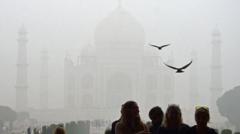
When stepping outside becomes a health risk, the grim reality of air quality in northern India unfolds. In cities like Chandigarh, located approximately 240 km from Delhi, residents like lawyer Imran Ahmed Ali have been contending with pollution levels exceeding 15 times the World Health Organization's recommended limits for over a month. Each winter, toxic smog hovers over urban landscapes, yet the spotlight of concern largely remains on Delhi.As winter deepens, the adverse effects on health become increasingly visible. Ali, a 31-year-old resident, initially mistook his persistent cough and breathing difficulties for a mere seasonal cold. However, he discovered through medical examination that his ailments were rooted in chronic air pollution, prompting a twice-daily medication routine to alleviate his symptoms. This harrowing experience reflects a wider plight affecting hundreds of millions in northern India, particularly across the densely populated Indo-Gangetic plains, where cities like Agra and Kanpur find themselves cloaked in thick smog every year.A recent report from the Energy Policy Institute at the University of Chicago estimates that air pollution in the northern plains could reduce life expectancy by a staggering 5.4 years for its 540 million residents. Despite such alarming figures, media coverage predominantly highlights Delhi, which boasts a suite of government actions including driving restrictions and construction bans during peak pollution periods. However, experts argue that pollution is not confined to the bubbling metropolis. Partha Basu from the Environmental Defense Fund points out that the misconceptions surrounding rural areas as "clean" or "pure" only mask the reality of toxic emissions lingering unchecked in small towns and villages. The everyday pollutants—from industrial emissions and vehicular exhaust to the seasonal burning of crop residue—exacerbate the long-term health risks posed to all.Local health professionals, such as Dr. Rajesh Gupta, report a sore increase of respiratory issues among patients each winter, with children and the elderly being particularly susceptible. Witnesses like Aditi Garg, who previously relished outdoor moments in Meerut, now confine themselves indoors, finding solace only next to their air purifiers amidst constant pollution alerts.The struggle is markedly imbalanced; many laborers, especially in Uttar Pradesh, have no option but to brave the hazardous air. Mohammed Salim Siddiqui, a spare parts vendor in Kanpur, expresses the despair of working outside while managing respiratory diseases in his family. In response to the crisis, the Indian government initiated the National Clean Air Programme in 2019, setting an ambitious target to reduce particulate matter by 20-40% over several years. While awareness-raising efforts have made strides, experts emphasize the need for robust coordination between local and state governments alongside practical measures to create significant change.For residents across northern India, pollution has become an undesirable part of everyday life, with conversations about the detrimental air quality now a cyclical, all-too-familiar occurrence. As Imran Ahmed Ali notes, this cycle of awareness and amnesia needs breaking—before the annual return of the smog claims even more lives.

