
In brief
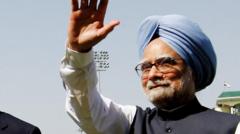
From economic liberalisation to educational reforms, former Prime Minister Manmohan Singh's policies have left an indelible mark on over a billion lives in India.
Manmohan Singh, who served as India's Prime Minister from 2004 to 2014, is being remembered for his profound influence on the nation following his recent passing. Singh, the first Sikh to hold the nation’s highest office, is credited with spearheading transformative economic measures that repositioned India on the global stage. The architect of the 1991 economic liberalisation, his initiatives moved the country from stagnation to rapid growth, lifting millions out of poverty.Assuming office through a series of unexpected events, Singh became Prime Minister in 2004 under pressure from the Congress party leadership to form a stable government. Despite accusations of being a "remote-controlled" leader influenced by the Gandhi family, his tenure saw remarkable economic achievements, including a soaring GDP that averaged around 8% and helped shield India from the 2008 global financial crisis. His ability to navigate a coalition government while maintaining personal integrity marked him as a unique figure in Indian politics.Singh also enacted landmark legislations that reinforced democratic foundations. He introduced the Right to Information Act, which empowered citizens with the ability to demand accountability from the government. Additionally, his administration rolled out a rural employment guarantee scheme and established the Right to Free and Compulsory Education for children, making significant strides in poverty alleviation and education access.In a historic moment of reconciliation, Singh publicly apologized in 2005 for the anti-Sikh riots that followed the assassination of former Prime Minister Indira Gandhi in 1984, acknowledging the tragic loss of thousands of lives. He highlighted the importance of unity and healing in a diverse nation like India, setting a precedent for political accountability.Moreover, Singh's 2008 nuclear deal with the United States ended India's international nuclear isolation and fostered strong bilateral ties aimed at meeting the nation’s burgeoning energy demands. While the deal faced criticism, it ultimately solidified India’s position as a key player in global energy markets.Manmohan Singh’s tenure was marked by numerous challenges, yet his legacy remains a testament to the promise of democratic governance and progressive reform in India, reminding current leaders of the enduring responsibilities they hold towards the nation.

