In brief
Satellite imagery and video evidence have documented extensive building destruction in southern Lebanon following Israel's military actions against Hezbollah. With at least 1,085 structures demolished, the region faces a significant humanitarian crisis as the conflict intensifies.
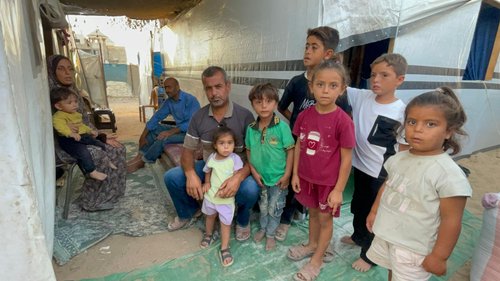
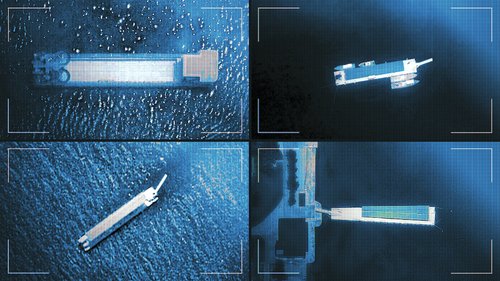
Satellite images and footage reveal a shocking landscape of destruction in southern Lebanon, where Israel's military campaign against the militant group Hezbollah has reportedly led to the demolition of at least 1,085 buildings since October 1. Amid rising tensions, this intervention follows Hezbollah's rocket attacks in support of Hamas after the latter's assault on Israel on October 7.The analysis conducted by The New York Times indicates that entire neighborhoods have been left in ruins across six villages along the Lebanon-Israel border. One village, Mhaibib, has been particularly hard-hit, appearing virtually flattened as assessed by satellite images. The campaign has resulted in widespread displacement, with the United Nations estimating about 1.4 million people have been forced to flee their homes across Lebanon.Despite Israel's assertion that their offensive is focused solely on Hezbollah targets, the extent of damage to civilian infrastructure raises serious concerns regarding the humanitarian impact of such military operations. The Israeli government claims it issued evacuation warnings before strikes, suggesting that Hezbollah has embedded its military infrastructure within civilian populations. Nevertheless, ongoing hostilities between Israel and Lebanon have prompted fears of escalating violence.Areas such as Ramyah and Kafr Kila that border Israel have experienced heavy bombardment, leading to the demolition of significant structures and leaving many communities desolate. As military activity continues, access to the affected regions remains limited, complicating efforts to assess the total scale of the devastation.Experts urge for immediate international attention to address the humanitarian crisis unfolding in southern Lebanon, as the repercussions of continuing military operations threaten to exacerbate human suffering across the region.