In brief
Despite significant elections across 46 countries, the global growth of women in political roles reached its lowest in two decades, with alarming regressions in many nations, emphasizing the need for systemic changes and support mechanisms to empower female leaders.
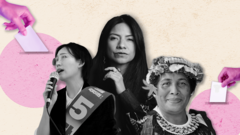
In a landmark year for elections, 2024 has also marked a troubling trend for female political representation, with the slowest growth observed in two decades. A total of 3.6 billion people have participated in major elections, yet the numbers reveal that female representation has stagnated to a mere 0.03% increase. This alarming statistic reflects a broader systemic issue, as 27 new parliaments, including those in the US, Portugal, Pakistan, and India, noted a decline in the number of women serving.The Inter-Parliamentary Union (IPU) provided data indicating that nearly two-thirds of the 46 countries analyzed have elected fewer women compared to previous terms, including the European Parliament experiencing its first decline in female representatives. While countries such as the UK, Mongolia, and Jordan saw slight gains, the overall landscape appears bleak. Notably, Mexico and Namibia made headlines by electing their first female presidents, yet these victories were overshadowed by setbacks elsewhere.Mariana Duarte Mutzenberg, an IPU data analyst, highlights that progress is "too fragile" in numerous democracies, particularly evident in Tuvalu, which has lost its only female MP and now holds no women in government. Current statistics show that women constitute only 27% of global parliamentary roles, with just 13 countries nearing gender parity.Despite legislative quotas driving positive change, as seen in Mongolia's 15% increase following the introduction of a 30% candidate quota, many nations without such mandates struggle, showing only 21% female representation. Political will is pivotal, as illustrated by Mexico's successful push for gender parity in 2018. Governance at the cabinet level remains discouragingly low for women, with roles catering to social issues more commonly allotted to females, while critical positions such as finance and defense are dominated by men. Given the increasing barriers—such as reduced mentorship opportunities and financial hurdles for women seeking office—there's a fear that the current stagnation may lead younger women to forgo political aspirations altogether. Research indicates a pronounced "ambition gender gap," wherein women often lack confidence in seeking leadership roles. Furthermore, societal expectations disproportionately burden women with caregiving responsibilities, limiting their political participation. Electoral systems play a defining role; those using proportional representation tend to elect a higher rate of women compared to traditional systems. Yet, with increasing incidents of violence against female politicians—particularly in countries like Mexico—the environment remains hostile. This violence often exacerbates feelings of fear and discouragement among aspiring female leaders.Amid these challenges, emerging anti-feminist sentiments and backlash against women’s rights further complicate the political landscape. Experts suggest that addressing the underrepresentation of women should be reframed as tackling the overrepresentation of men in power.Equal representation isn't merely a matter of fairness but a catalyst for improved governance. Gender-diverse leadership teams have demonstrated better decision-making and profitability, while the inclusion of women in peace negotiations leads to more sustainable outcomes. Advocates urge a reimagining of political engagement, striving for a more inclusive environment where women's contributions are valued and recognized for their impact on societal progress.