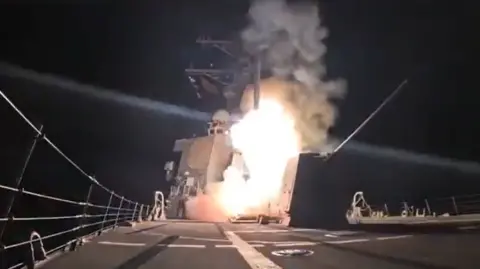
Amid escalating violence and targeted killings in Nigeria, the U.S. military executed strikes against Islamic State militant groups, collaborating with the Nigerian government for intelligence sharing and operational planning. President Trump announced this powerful initiative during a Christmas Day post, indicating a robust U.S. response to extremism, notably the Lakurawa group and its connections to IS forces.
Nigerian officials confirmed the authenticity of the strikes, attesting to their adherence to international law while emphasizing the cooperation on intelligence. Though specific impacts from the strikes remain unconfirmed, they were part of the ongoing U.S. adjustments to bolster security interventions in regions afflicted by militant violence.
The Nigerian Ministry of Foreign Affairs reiterated a commitment to combatting terror, stating that as many communities suffer attacks indiscriminately, the need for unified action against terrorism transcends religious affiliations. Despite the predominant narrative about the targeting of Christians, it is acknowledged that Muslims also endure a significant share of violence from extremist factions.
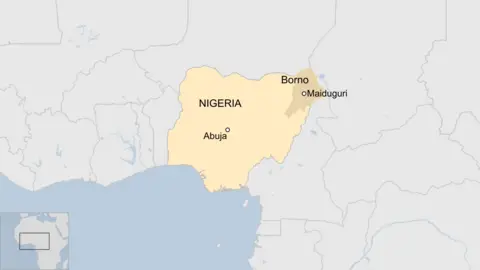
Security analysts pointed out that the U.S. strikes might primarily target the increasingly lethal Lakurawa group, which has been gaining ground in Nigeria's northwestern territories. The country's challenges are compounded by complex maneuvers of various armed groups, some driven by ideology and others by local grievances, leading to a volatile landscape.
Trump's administration previously announced plans to limit visas for Nigerians involved in killings linked to religious persecution. This military engagement represents a shift in U.S. defense strategy, where officials note a significant reduction in direct military presence in Africa, emphasizing the necessity to utilize existing partnerships effectively.
As Nigeria grapples with a multitude of security threats, the international community observes how these recent military actions will influence the stability and peace necessary for both Christians and Muslims alike, pushing back against the tide of violent extremism and inter-communal violence.
Nigerian officials confirmed the authenticity of the strikes, attesting to their adherence to international law while emphasizing the cooperation on intelligence. Though specific impacts from the strikes remain unconfirmed, they were part of the ongoing U.S. adjustments to bolster security interventions in regions afflicted by militant violence.
The Nigerian Ministry of Foreign Affairs reiterated a commitment to combatting terror, stating that as many communities suffer attacks indiscriminately, the need for unified action against terrorism transcends religious affiliations. Despite the predominant narrative about the targeting of Christians, it is acknowledged that Muslims also endure a significant share of violence from extremist factions.
Security analysts pointed out that the U.S. strikes might primarily target the increasingly lethal Lakurawa group, which has been gaining ground in Nigeria's northwestern territories. The country's challenges are compounded by complex maneuvers of various armed groups, some driven by ideology and others by local grievances, leading to a volatile landscape.
Trump's administration previously announced plans to limit visas for Nigerians involved in killings linked to religious persecution. This military engagement represents a shift in U.S. defense strategy, where officials note a significant reduction in direct military presence in Africa, emphasizing the necessity to utilize existing partnerships effectively.
As Nigeria grapples with a multitude of security threats, the international community observes how these recent military actions will influence the stability and peace necessary for both Christians and Muslims alike, pushing back against the tide of violent extremism and inter-communal violence.