
In brief
The ongoing military operations in Myanmar continue to draw ire as the country grapples with the aftermath of a catastrophic earthquake that has resulted in over 1,600 fatalities. Following the disaster, the military junta has carried out airstrikes, drawing outrage from international observers and human rights advocates alike.
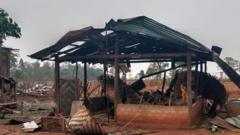
Witnesses reported aerial bombings in various regions, including the northwest Sagaing region—epicenter of the 7.7 magnitude quake—and areas near the Thai border. The United Nations condemned these acts as "completely outrageous and unacceptable." Special Rapporteur Tom Andrews emphasized the inhumanity of attacking a nation in distress, calling for the junta to cease all military actions and allow unimpeded rescue efforts.The disaster unfolded as Myanmar has been enveloped in civil conflict following a military coup nearly four years ago, which sparked widespread protests and civil disobedience. The National Unity Government (NUG), representing the ousted civilian administration, announced a temporary pause in offensive military operations, focusing instead on support for earthquake-affected regions.Despite this, the junta has reportedly continued to target pro-democracy rebel groups, intensifying the conflict in an environment already fraught with humanitarian issues. The military's reliance on air power has been documented, with aerial bombardments historically causing significant civilian casualties and destruction of vital infrastructure such as schools and hospitals.The UN investigation indicates a grim reality for civil rights in Myanmar, with the military accused of committing war crimes. Despite international calls for an arms embargo, countries like Russia and China have continued their military support of the junta, undermining the prospect of relief amid ongoing conflict.Amid these tensions, citizens express skepticism over the potential for effective humanitarian aid, fearing that the junta may manipulate resources to favor its control while neglecting areas under resistance group influence. Past incidents have shown the military's tendency to obstruct aid deliveries, raising concerns for those most affected by the earthquake.As Myanmar struggles through both natural disaster and human-made catastrophe, the international community watches closely, advocating for humanitarian access and the protection of civilian lives in this war-torn nation.
