In brief
As Russia's actions in Ukraine raise regional security concerns, Estonia, Latvia, and Lithuania are prioritizing the completion of the Rail Baltica, a high-speed railway project that promises economic benefits and improved military logistics. However, the project faces increasing costs and criticism over its implementation strategy.
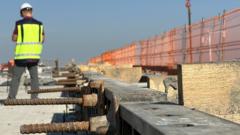
The ongoing geopolitical tensions stemming from Russia’s invasion of Ukraine have prompted the Baltic states of Estonia, Latvia, and Lithuania to expedite the construction of the Rail Baltica project, a high-speed railway meant to connect the three nations and provide a direct link to Poland. With a proposed span of 870 kilometers (540 miles), the project has transitioned from a visionary concept to a necessary infrastructure endeavor, underscored by a collective perception of Russia as a looming existential threat.Currently, the lack of a direct railway connection across the Baltics is a significant bottleneck, hindering both civilian and military logistics. Rail Baltica aims to rectify this gap, enabling faster travel and enhanced trade while offering substantial environmental benefits. However, the anticipated costs for the ambitious railway have significantly escalated, now projected at €24 billion, up from initial estimates of around €6 billion. This cost surge has raised alarms among governments and local populations alike, particularly as the project’s completion date continues to be pushed back.Estonia's Infrastructure Minister, Vladimir Svet, emphasized the urgency of the rail link during these turbulent times: "Putin's aggressive regime is trying to recreate an imperial project on the territory of the former Soviet bloc." His sentiments are echoed by NATO officials who see the rail project as crucial for military readiness, with plans for increased troop deployments in the Baltics.The construction of the Ülemiste passenger terminal near Tallinn marks the northernmost terminus of Rail Baltica, with key workers diligently working to advance the project despite significant challenges. The current rail systems in the Baltics nostalgically reflect Soviet-era design, necessitating inconvenient changes in gauge for travelers as they approach Poland. Rail Baltica's modernization aims to connect directly to the European rail network, reducing travel times dramatically—from the current five hours between Tallinn and Vilnius to under four hours once construction is complete. Despite optimistic economic forecasts suggesting significant boosts amounting to €6.6 billion, concerns mount regarding the misaligned priorities of constructing terminals before laying tracks due to varying regulatory frameworks across the three countries. These issues have prompted the initiative to be divided into two phases, with the first phase focusing on laying a single track by 2030. Plans are afoot to address cost implications by possibly sequencing the connection of critical rail stops and airports.The fallout from global crises, including the pandemic and ongoing external conflicts, continues to impact the project's timeline and budget. Latvian parliamentary leaders are proactively investigating how to ensure adequate funding and project completion. Estonia’s national auditor warns that additional years of setbacks may arise without a decisive commitment to secure financing.Vladimir Svet remains resolute, displaying a commitment to minimizing costs through smart budgeting and potential loans. The message is clear: for the Baltic states to thrive as independent members of the European Union and NATO, the Rail Baltica project represents a crucial undertaking—not just for transportation improvements but for fostering a sense of national security and cultural sovereignty. As the push for this strategic railway continues, its success will hinge on economic viability and the ability of the Baltic states to navigate their complex historical and geopolitical landscape.