In brief
Amid the forthcoming announcement of new tariffs by the Trump administration, businesses are grappling with complex trade policies, cautioning against sweeping measures while advocating for targeted solutions to address perceived inequities in international trade.
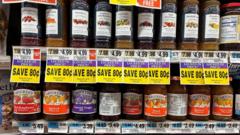
The grocery aisles of America are filled with European brands like St Dalfour and Bonne Maman, reflecting the over $200 million worth of jams imported from the EU each year. In stark contrast, American jelly exports to Europe barely register at less than $300,000 annually. JM Smucker, a prominent US jam producer, attributes this disparity to the hefty 24% import tax imposed by the EU, advocating for reciprocal tariffs as a means to create a level playing field. They argue that the lower US tariff of 4.5% on jams demonstrates an imbalance harming American manufacturers.President Trump's broader initiative to impose tariffs on various trading partners has generated mixed reactions—sparking both anger and confusion among business owners and economists alike. Critics argue that these tariffs could increase prices and harm the economy. However, many US businesses are rallying behind the idea of tariffs to address longstanding grievances against foreign competition and trade policies. Smucker's letter to the White House is among many that express this sentiment, seeking to influence tariff decisions expected to be revealed soon.From apple farmers facing steep tariffs in countries like India, Brazil, and Thailand, to streaming services dealing with digital taxes in Canada and Turkey, various sectors have raised alarms about unfair trade practices. The oil and natural gas sector is equally concerned, citing restrictive regulations in Mexico. Such outcry has prompted the White House to highlight the uneven playing field for American exporters.While some companies call for immediate action on tariffs, they simultaneously express caution about a blanket approach that might trigger trade wars. As April 2 approaches, uncertainty looms over the actual intent behind the proposed tariffs, especially following the president's recent statements suggesting he might be inclined to retaliate against foreign car imports.The complexity of the tariff issue has left businesses navigating a careful balance between advocating for their interests while avoiding the fallout of large-scale tariffs. For instance, NorthStar BlueScope Steel has pushed for expanded tariffs on steel but for exemptions on necessary raw materials. Similarly, the Consumer Brands Association warns that wide-reaching tariffs could increase costs for ingredients not available domestically, highlighting the fragmented nature of the tariff landscape.As Trump's administration prepares for its next moves, former Commerce Secretary Wilbur Ross believes clarity will quell business apprehensions, framing the impending decisions as pivotal moments in trade policy. Many in the Republican party remain supportive of Trump's hardline stance, acknowledging the potential short-term pain while emphasizing the potential long-term benefits for American producers and manufacturers. The goal, as articulated by Representative Jodey Arrington, is to reset trade relationships so that all players operate under the same rules, paving the way for a more balanced future in global trade.