
In brief
In a recent trade development, the US and UK have reached an agreement that reduces certain tariffs imposed under the Trump administration, providing much-needed relief to key industries in the UK, even as substantial duties remain in place.
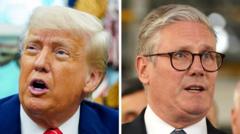
The US has officially announced its decision to lower import taxes on a limited number of British vehicles, allowing around 100,000 cars to enter at a reduced rate of 10%. This is a significant change from the previous 25% tariff introduced by President Trump shortly after his return to office. The move aims to support luxury car manufacturers such as Jaguar Land Rover and Rolls Royce, although the quota mirrors last year's export volumes. UK officials expressed gratitude for the agreement's potential to protect thousands of jobs within critical sectors like automotive and steel manufacturing. Sir Keir Starmer described the accord from a Jaguar factory as a "fantastic platform" for British business. Business Secretary Jonathan Reynolds emphasized the immediacy of the situation, noting that without this breakthrough, thousands could have faced unemployment.The deal also modifies tariffs on steel and aluminum, slashing Trump's initial 25% rate and reinstating a previous quota system. Additionally, both nations have agreed to allow up to 13,000 metric tonnes of beef to be imported from one another, a substantial increase from the prior cap of just 1,000 metric tonnes due to a 20% duty.US Agriculture Secretary Brooke Rollins asserted that this accord would yield a $5 billion opportunity for exports, benefitting American farmers and agricultural industries. Despite the agreement, some business leaders expressed reservations about the overall benefit, arguing that it does not fully restore trade conditions seen before the recent tariff hikes. Critics, including UK opposition parties, are calling for more scrutiny to ensure a comprehensive understanding of the deal's implications.Concerns linger about upcoming trade discussions, particularly those concerning pharmaceuticals, as Trump continues to advocate for import taxes in the healthcare sector. Industry experts remain cautious as they await more detailed clarifications on preferential treatment for British firms in this area.This agreement marks a notable step in US-UK trade relations, but the full impact remains to be seen, especially for British industry workers caught between protective tariffs and negotiating challenges.


