In brief
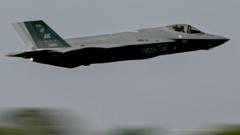
In a critical juncture for India's defense strategy, Prime Minister Narendra Modi's recent discussions in Washington about acquiring American F-35 fighter jets have sparked intense debate. The F-35 is a fifth-generation multi-role fighter known for its advanced technology, including AI-driven systems and stealth capabilities, with each unit priced at around $80 million. The looming challenge for India is whether it should invest heavily in this high-tech American option amid diminishing fighter squadrons and a growing Chinese military presence. Some experts view the U.S.-Russia competition as exaggerated, particularly after both aircraft appeared at the recent Aero India air show in Bengaluru, while others question the feasibility of a U.S. deal.
While the F-35's offer remains largely symbolic, reflecting American interests in weapon sales, implementing such an aircraft into India's air force poses significant hurdles. The integration process would be elaborate and costly, especially considering existing commitments to domestic aircraft like the Advanced Medium Combat Aircraft (AMCA) and additional Rafale jets. Notably, many analysts assert that a purchase of the F-35 would likely not include co-production rights, directly conflicting with Modi's "Make in India" initiative, and could face resistance due to stringent U.S. monitoring.Conversely, though the Russian Sukhoi Su-57 presents a compelling alternative, India halted joint development in 2018. With its air force operating below capacity—just 31 squadrons compared to the sanctioned 42—there's pressure to find viable replacements for aging aircraft. Data from military analyses highlight a stark disadvantage for India, with a shrinking fleet in contrast to China's extensive military expansion.India's focus has shifted towards enhancing its indigenous aerospace capabilities, currently aiming for a fleet upgrade involving over 500 light combat aircraft, including the Tejas Mark 1A. The ongoing development of the advanced Tejas Mark 2 is seen as a long-term solution, but delays and procurement issues highlight persistent challenges in achieving self-reliance.As India ultimately seeks to navigate the balance between foreign procurement and homegrown production, the sentiment among experts suggests that short-term emergency purchases may be necessary. Nevertheless, the overarching goal remains clear: to strengthen Indian air power by developing its domestic capabilities while ensuring quicker delivery in the face of evolving defense requirements.