In brief
The recent stalemate in Congress over budgetary negotiations raises the possibility of a government shutdown, with significant implications for federal workers and essential services. As lawmakers struggle to find common ground, many federal operations could come to a standstill, while critical services remain operational amidst the fallout. This article provides an insight into the consequences of such a shutdown, including how it affects workers and what services will continue during this uncertain period.
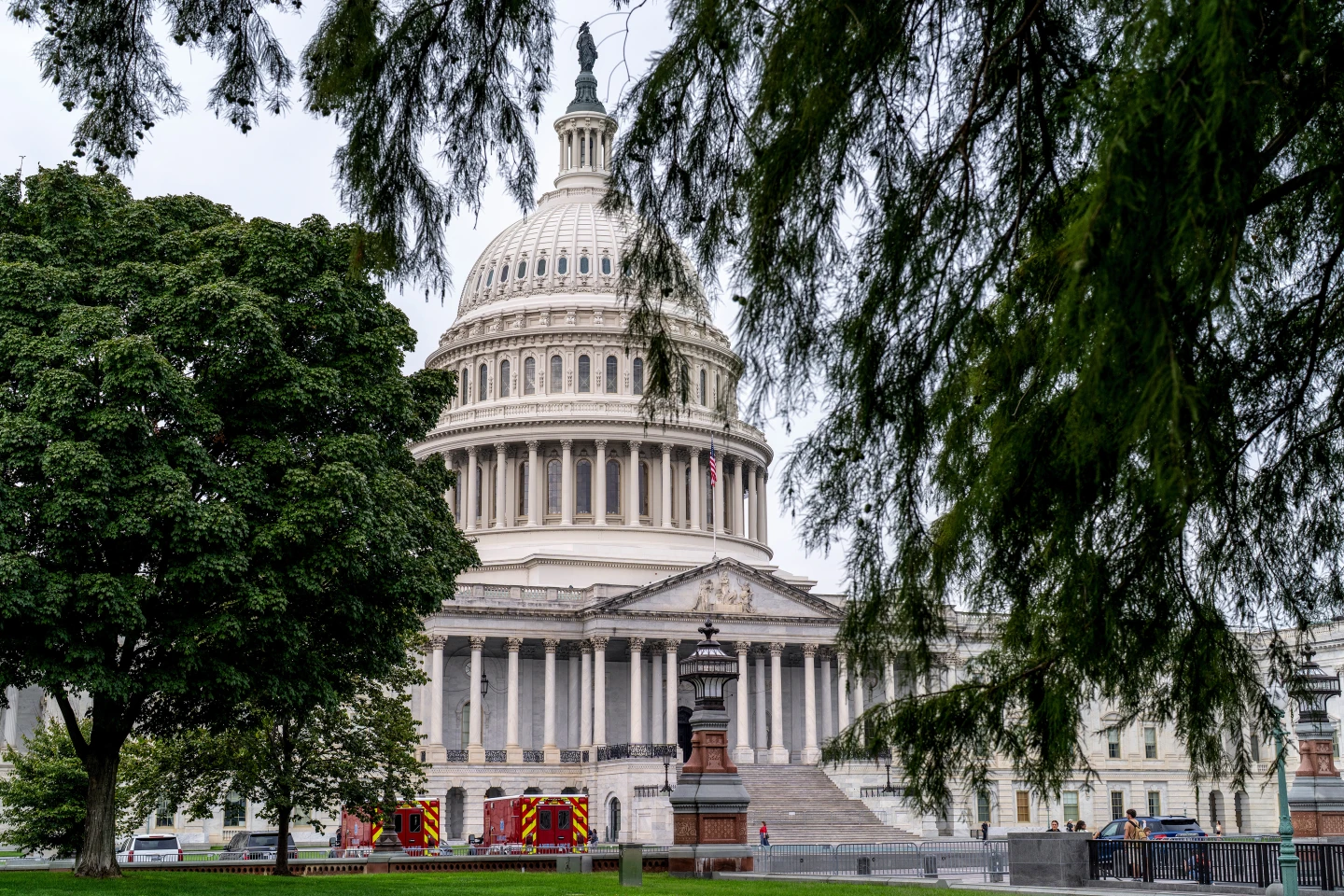
WASHINGTON (Echosphere News) — The threat of a government shutdown has become a repeating cycle in the halls of Washington. Last-minute compromises between lawmakers and the president are often the norm, but future negotiations appear increasingly stagnant.
Currently, Republican leaders propose a stopgap funding measure to maintain government operations through November 21. However, Democrats have pushed back, demanding that this measure also address health care benefits, which includes reversing cuts to Medicaid resulting from President Trump’s recent budget legislation and extending tax credits aimed at making health insurance more accessible for many Americans. Unfortunately for many, negotiations have hit a deadlock.
The House remains largely inactive, suggesting that neither party is willing to budge as we inch closer to a potential shutdown.
Understanding the Shutdown Process
When the funding lapse occurs, the law mandates that government agencies must halt most operations and furlough their non-essential personnel. Essential employees, primarily those safeguarding life and property, remain on duty but will not receive pay until the shutdown concludes.
A notable instance of this was during a 35-day partial shutdown in the Trump administration, where approximately 340,000 of 800,000 federal employees were furloughed.
Which Services Continue?
It may come as a surprise that many federal services will persist during a shutdown. Workers involved in critical operations such as the FBI, CIA, and air traffic control will continue their responsibilities. Programs funded through mandatory spending, such as Social Security and veteran health care services, will remain unaffected as well.
The ongoing tumult around government budgets highlights the importance of understanding what gets impacted during a shutdown and what is considered essential.
Paycheck Certainty for Workers
Furloughed federal workers will receive their pay retroactively once the budget impasse is resolved, thanks to a bill passed in 2019 which ensures that back pay is delivered post-shutdown. However, this delay may cause financial strain for many families who rely on regular paychecks.
Mail Services Remain Uninterrupted
Despite common assumptions, the U.S. Postal Service will maintain its operations during a government shutdown. It operates independently, relying on the sales of its services rather than taxpayer funding.
What Closes During a Shutdown?
Each federal agency has the discretion to determine which services will pause during a shutdown. Historically, this lack of clarity has resulted in confusion and significant service interruptions. During past encounters with shutdowns, agencies have developed specific plans which have often remained unpublished, leaving many federal workers uncertain about their employment status.
Experts note that the current administration’s approach may be more aggressive than in prior years, potentially targeting the termination of positions during a shutdown, which would be a departure from traditional practices of pausing operations and waiting for Congressional funding.
Reflections on Past Shutdown Practices
Historical shutdown plans have become increasingly transparent in recent administrations, presenting a guideline for potential future actions. Agencies like the Department of Education and the National Park Service elucidate how federal funding halts impact their operations.
Tensions continue to mount as the federal budget debate heads towards its conclusion. Should Congress fail to reach an agreement, the aftershocks of a government shutdown will resonate across the nation, affecting countless lives and communities.