In brief
Elon Musk's rapid ascent in Trump's administration raises concerns about his sweeping reforms, particularly with USAID. As he flexes his influence, tensions mount over the legality and ramifications of his changes, leading to speculation about potential conflicts with the president and established norms of governance.
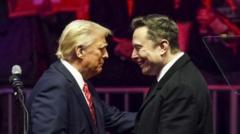
In a surprising twist of political alignment, Elon Musk, the world's wealthiest man, is stepping into a transformative role within Donald Trump's second administration. Taking charge of the newly established Department of Government Efficiency (Doge), Musk is rapidly remaking governmental processes, initiating bold reforms that are sending waves through Washington. As he publicly claims his title as "Tech Support" on the platform he owns, Musk's actual influence appears to be much deeper and more concerning.In the initial weeks of the administration, Musk has already made drastic moves, including an overhaul of the federal payment system, the disbandment of a significant agency, and issuing ultimatums to civil servants. His approach has garnered attention and skepticism, with many warning that his aggressive business tactics could be ill-suited for navigating the intricacies of government.Musk's political journey has shifted from longstanding Democratic affiliations to positioning himself as a staunch Trump supporter, even contributing substantial finances towards Republican campaigns. By the time of Trump's inauguration, Musk had cemented his role as an adviser, sitting conspicuously close to the president during public events—a clear signal of his newfound power.While Trump has insisted Musk won’t have an office in the West Wing, reports indicate Musk and his team have set up operations in close proximity to the White House, with top secret security clearance. His drive for efficiency has extended to USAID, once a pillar of international development, which has experienced a sudden halt in function under Musk's scrutiny. His critical remarks labeling USAID a "criminal organization" coupled with drastic policy shifts have alarmed many within the agency.Concerns about Musk's attempts to shut down or merge parts of USAID have been expressed, questioning the legality of his actions. Experts emphasize that Congress has established USAID as an independent entity and although Trump can exercise broad authority, Musk's level of influence is unprecedented. Critics caution that his approach may destabilize governmental systems that have functioned independently from business models controlled by singular figures like himself.Some Republican voices have expressed support for Musk's restructuring initiatives, but amid unease, many tech industry leaders are left worried by this shift towards chaos. Observers have highlighted potential scenarios of conflict between Musk and Trump, particularly considering Musk's history of pursuing ambitious agendas without regard for conventional boundaries.While the president has stated that Musk’s influence will be kept in check, uncertainty looms over how long this arrangement can function without entering collision course territory. As researchers and political analysts monitor the intersections of business and politics, the question remains—how will Musk's purview shape the future of governance in America, and what legacy will this unprecedented dynamic leave behind?