In brief
Donald Trump's enduring fascination with tariffs began in the 1980s during his business interactions with Japanese markets. This article explores how Trump's early resentment towards trade practices, particularly with Japan, laid the groundwork for his later policies and the economic ideologies that have shaped his presidential tenure.
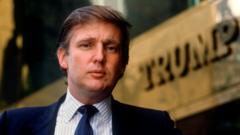
Donald Trump’s longstanding affinity for tariffs can be traced back to his early experiences in the competitive world of New York real estate, particularly his engagements with Japanese investors in the 1980s. As he navigated a downturn in his business fortunes, Trump sought funding from Japan, observing the remarkable economic success achieved by Japanese companies that were capitalizing on U.S. markets. This period not only cultivated his resentment towards Japanese economic practices but also formed the foundation of his trade policy perspective that became a hallmark of his presidency.Barbara Res, a former executive at the Trump Organization, noted that Trump harbored a profound jealousy towards how Japanese businessmen were celebrated in the United States while he felt spurned by trade policies that overly favored Japan. This envy permeated his rhetoric, where he famously claimed that Japan was "dumping" products into the U.S. while making it difficult for American businesses to thrive in their markets. Trump's sentiments reflect a broader zeitgeist of the times when Japan rose as a formidable economic competitor, particularly in industries such as consumer electronics and automobiles.Emerging onto the national stage in the late 80s, Trump captured public attention with candid critiques of U.S. foreign defense policies, arguing during various media appearances that allies like Japan were benefiting at America’s expense. His full-page newspaper ads contended that Japan was underplaying its economic potential while relying on U.S. military support. Such sentiments powerfully articulated feelings among many Americans concerned about industrial decline, setting the groundwork for his future protectionist policies.Economists and political analysts suggest Trump's consistent arguments about tariffs are underscored by a zero-sum mentality, viewing trade as a competition where one country’s gain is another’s loss. This outlook, despite sparking divisive opinions within Republican circles, has persisted through his political career, notably influencing his administration’s approach to foreign relationships and trade negotiations.Critics of Trump’s tariff approach argue that genuine solutions to trade inequality require more nuanced strategies than simply imposing tariffs, highlighting the importance of a strategic manufacturing policy. Nevertheless, Trump has consistently asserted the need for better market conditions for American industries as fundamental to his economic agenda, aimed at repositioning the U.S. economy in a more competitive global landscape.In contemporary discussions, even as the focus shifts from Japan to new economic juggernauts like China, Trump's foundational trade philosophies remain evident. His utilization of tariffs continues to serve as a tool to compel other nations to open their markets and alleviate trade deficits, reflecting both a personal and political evolution that began over four decades ago and remains deeply embedded in his identity as a businessman and leader.