In brief
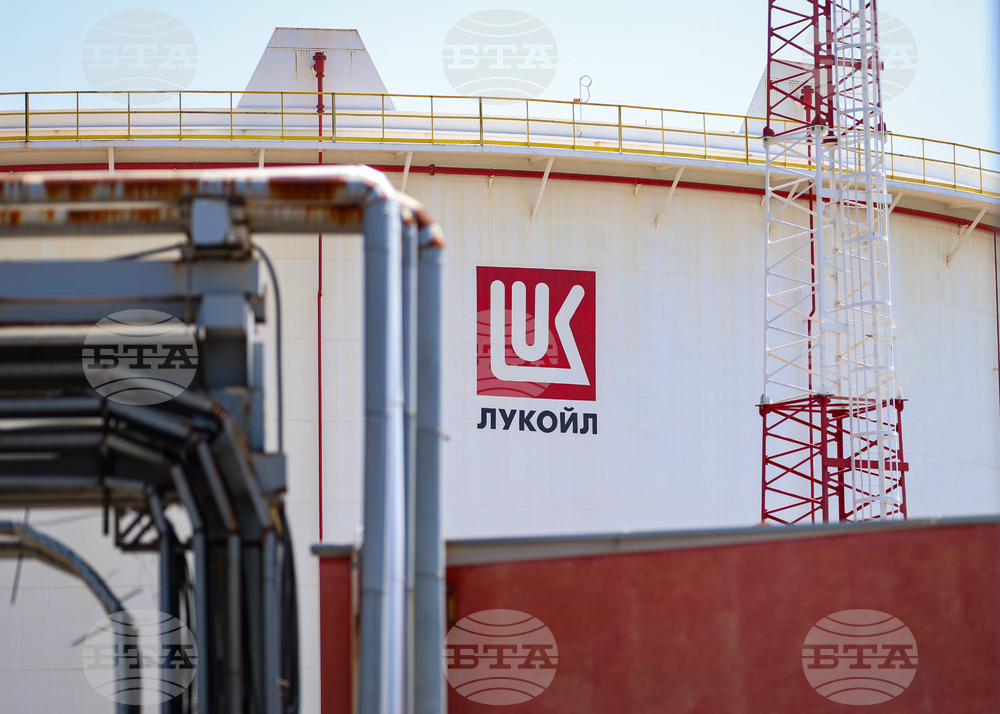
The UK Treasury’s extension of a general licence for Lukoil Bulgaria subsidiaries allows those firms to continue business transactions until February 2027, securing crude oil supplies and the Burgas refinery’s operations. Bulgarian authorities affirm the move supports energy stability, while British insurers cover a majority of tanker insurance, underscoring the international cooperation underpinning the supply chain. The decision follows a similar extension by the US Treasury, reflecting ongoing efforts to balance sanctions compliance with commercial continuity.
London, 28 October 2026 – The United Kingdom, through its Treasury’s Office of Financial Sanctions Implementation, has extended a general licence that permits Lukoil Bulgaria subsidiaries to undertake payments and other transactions until 26 February 2027. The extension maintains the flow of crude oil to the Burgas refinery and ensures the continued operation of the country’s key oil conversion facility.
The licence, first issued on 14 November 2025, was recently renewed on 28 October 2026 and now remains in force until the end of February 2027. It covers the four entities involved in the company’s Bulgarian operations: Lukoil Bulgaria EOOD, Lukoil Neftochim Burgas AD, Lukoil Aviation Bulgaria EOOD, and Lukoil Bunker Bulgaria EOOD.
According to a statement from the Bulgarian Ministry of Economy, Investment and Industry, the licence extension is a vital step toward stabilising and predicting the companies’ operations in Bulgaria. Deputy Prime Minister and Economy‑Investment‑Industry Minister Alexander Poulev said the move is a result of “active dialogue at the government level under Prime Minister Rumen Radev and talks with our British partners and the British Embassy in Sofia.”
Alexander Poulev emphasized that the extension was essential for maintaining key business operations, including crude oil deliveries and tanker insurance. He noted that British insurers are “crucial to the functioning of the supply chain, providing insurance for more than 90 per cent of the tankers delivering crude oil.” He added that the ability to work with UK‑linked partners is an important condition for ensuring continuity of operations.
"The licence extension is the result of active dialogue at government level under Prime Minister Rumen Radev and talks with our British partners and the British Embassy in Sofia," said Alexander Poulev.
Poulev added that the Bulgarian government will continue working closely with international partners to safeguard supplies and protect the stability and interests of the Bulgarian economy and consumers. The licence facilitates the necessary transactions without breaching the UK sanctions regime and supports the uninterrupted operation of the Burgas refinery.
While the decision focuses on commercial continuity, it also keeps energy supply streams running in a region heavily reliant on fossil fuels. The extension means that crude oil can continue to be delivered across the Black Sea and processed into refined products, a core component of Bulgaria’s energy mix. The continued operation of the Burgas refinery contributes to the national inventory of petroleum and fuels, which the broader European Union seeks to balance with renewable energy targets.
Concurrently, the United States Department of the Treasury announced that it had extended authorization for certain transactions involving Lukoil’s Bulgarian subsidiaries until 24 April 2027. This joint approach by the UK and US has allowed the companies to remain operational while maintaining compliance with sanctions.
Following the imposition of sanctions, Lukoil announced plans to sell its international assets and began considering offers from potential buyers. In late January, the company reached an agreement with a US entity, reflecting its efforts to navigate the evolving regulatory landscape.
Environmental observers note that sustained crude oil deliveries sustain the region’s carbon footprint, as refined petroleum products continue to power industry, transport and domestic usage. While the decision is framed in terms of economic stability, it also reinforces the persistence of fossil fuel infrastructure that competes with climate mitigation efforts. The UK’s licence extension, therefore, has implications for both energy security and the pace at which alternatives to oil can be adopted.
As the global climate community pushes for a shift away from fossil fuels, the maintenance of existing supply chains—supported by licences such as this—highlights the tension between immediate economic interests and long‑term environmental goals. Policymakers and industry stakeholders must therefore weigh the benefits of uninterrupted supply against the potential inroads these operations may make within the broader trajectory toward decarbonisation.