In brief
As Romania and Bulgaria finally gain entry into the Schengen border-free zone effective January 1, 2025, citizens celebrate increased mobility while truck drivers face ongoing bureaucratic hurdles at border crossings, particularly as inspections may persist for months.
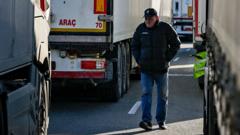
Seventeen years after becoming European Union members, Romania and Bulgaria are set to join the Schengen area, allowing citizens to travel passport-free across most of Europe starting January 1, 2025. This long-awaited approval was met with relief by approximately 25 million residents, marking a significant step toward feeling fully integrated within the EU’s community. "It’s a day of joy,” expressed European Commission President Ursula von der Leyen.While air and sea travel between the new member states and their EU partners became more convenient last March, land travel faced lingering resistance, especially from Austria until recently. Despite the upcoming leeway in travel, the excitement is tempered by challenges for the trucking industry, as border inspections will likely remain stringent for the foreseeable future, particularly at the heavily-trafficked Romania-Hungary crossing at Nadlac.Border checks can already lead to long delays—truck drivers report waits sometimes exceeding five days in past years. New facilities, like Bulgaria’s electronic truck checkpoint at Ruse, now impose further fees. The overarching pressure from countries concerned about illegal immigration has resulted in temporary border controls across Europe.Local transport representatives highlight how delays have cost Romania’s road industry substantial losses—estimated at €19 billion from 2012 to 2023. While the immediate beneficiaries of the Schengen accession are non-commercial travelers, logistics professionals worry that truck inspections, commonly executed at borders, won't see improvements quickly.Radu Dinescu, head of the Romanian Road-Haulers' Association, criticizes the government’s failure to negotiate efficient border management and lamented a missed opportunity in 2008 to streamline cargo checks among EU members. The impact of lengthy inspections reaches far beyond trade; it hampers investment, as illustrated when automotive giant BMW chose Hungary over Romania for a new factory to avoid border delays.Some industry leaders, however, remain hopeful. Philip Cox of Romania’s largest wine exporter foresees improvements within months, which could ultimately enhance competitiveness in EU markets. While joining the Schengen zone represents a major advancement, many assert that ongoing negotiations and improvements to border efficiency will be essential in realizing the full potential of this membership.