
In brief
A humanitarian crisis is escalating in northeastern Syria as continued Turkish air strikes disrupt essential utilities amid an already dire climate situation.
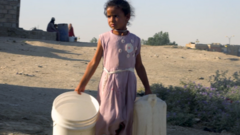
The ongoing strikes by Turkey in the Arpel area of north-east Syria have disrupted vital services, leaving over a million individuals without access to electricity and clean water. The conflict particularly impacts the Hassakeh province, where residents now depend on water deliveries from tankers due to the bombing of crucial infrastructure, including power plants and water stations.According to reports, since October 2023 into January 2024, Turkey has executed more than 100 military assaults targeting oil fields, gas facilities, and energy infrastructures in the region controlled by the Kurdish-led Autonomous Administration of North and East Syria (AANES). These strikes have exacerbated an existing humanitarian crisis rooted in years of civil conflict and severe drought fueled by climate change.The Alouk water station, which once served as the main supply source, has been rendered inoperative following targeted attacks on its electric supply. While aid workers prioritize vulnerable populations such as schools and hospitals, the demand for potable water significantly overshadows the limited supply. Residents have expressed desperation, with some resorting to pleading or even threatening tanker drivers for access to water.The Turkish government defends its military actions by labeling the Kurdish groups as terrorists while attributing the water crisis to longstanding infrastructure neglect and drought conditions. However, local officials and humanitarian groups vehemently argue that these attacks constitute war crimes due to the deprivation they impose on civilians. International law experts emphasize that Turkey's military strategy potentially violates established international legal frameworks, calling for urgent investigations.With the Tigris-Euphrates basin experiencing a marked rise in temperatures and dwindling water supplies, the region's challenges are compounded. The Khabour river, historically a primary source of water for Hassakeh, has similarly faced diminishing flow rates. Following Turkey's military control of specific areas since 2019, residents have grown increasingly frustrated, feeling abandoned amid the unfolding crisis.Experts and local voices echo the sentiment that immediate action is required, not only for humanitarian assistance but also for accountability regarding potential violations of international law. As the situation continues to evolve, many in Hassakeh urge the global community to pay heed to their plight and advocate for their access to essential resources.

