
In brief
The Schengen zone expansion is set to dramatically alter border logistics and enhance trade operations between member countries, while some bureaucratic hurdles remain.
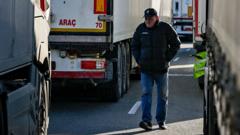
The long-anticipated approval for Romania and Bulgaria to join the EU's Schengen Zone has sparked excitement and relief among the 25 million residents of these nations. As of January 1, 2025, travelers will have the freedom to traverse across Europe—from France to Spain without the hassle of passport control, marking a significant integration into European frameworks. Ursula von der Leyen, President of the European Commission, hailed the decision as a momentous "day of joy."While this development means improved travel for individuals, truck drivers are still bracing for lingering border bureaucracy. Despite air and sea travel borders being waived last March, land routes face scrutiny. The Nadlac border crossing between Hungary and Romania is expected to retain extensive checks for multiple months. Further complicating matters, Bulgaria has established new fees for truck inspections, and countries across Europe maintain temporary border controls amid fears of increased illegal migration.The Schengen Zone, established in 1985, has expanded to include numerous EU nations and some non-EU states, providing seamless travel across borders. Although the UK has never been a part of this agreement, UK visitors can still access Schengen regions under specific conditions.Industry leaders in Romania express optimism over the reduced waiting time for truck drivers, which statistically could save them hours, thus leading to decreased transportation costs. Local road transport associations have lamented substantial losses due to previous bureaucratic hurdles at border crossings. With border controls lifted, car and individual travelers will benefit the most initially, although they will still be subjected to random checks.Yet, the road freight sector may not see immediate advancements, as loading inspections and paperwork will persist at land boundaries, prompting criticism directed at Romanian officials for not streamlining negotiations with neighboring countries. Economic ramifications extend beyond transportation efficiency, focusing on attracting investments. A notable case is BMW's decision to halt plans for a Romanian car factory in favor of Hungary, highlighted by prolonged border delays.Regardless of these challenges, many industry leaders like Philip Cox from Cramele Recas are hopeful that the improvements in border processes will materialize, potentially boosting the competitiveness of Romanian goods in larger European markets. The future remains bright, yet the transition period will require concerted effort from all parties involved to realize the true benefits of Schengen membership.


