In brief
A recent video featuring deported Venezuelan migrants, released by El Salvador's president, has raised concerns over the use of media as a tool for propaganda amidst ongoing debates on immigration and human rights.
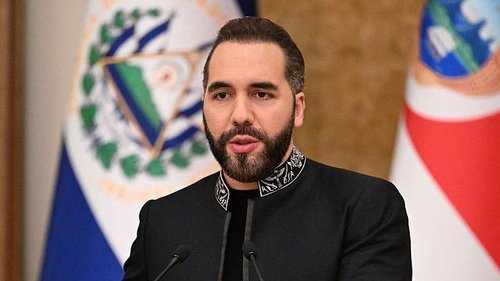
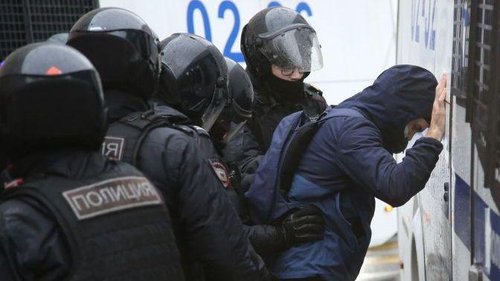
In recent developments, the government of El Salvador, under President Nayib Bukele, has released a controversial propaganda video depicting the deportation of Venezuelan migrants back to El Salvador from the United States. The footage, which shows shackled detainees being forcefully escorted off planes and into prison vans, has attracted widespread attention. Drones captured the scenes as men were seen being herded into large prison facilities, their heads shaved in a display intended to project a sense of order and authority.According to Salvadoran authorities, many of those shown in the video are accused of being gang members, particularly associated with the feared MS-13 gang. The deportation flights have continued in defiance of a federal judge’s order to halt the deportations and return the detainees to U.S. soil, igniting debates over legality and humanitarian concerns.Critics argue that such visual propaganda serves a dual purpose: it not only reinforces Bukele’s tough-on-crime image but also aims to rally nationalistic sentiments ahead of upcoming elections. The stark imagery and dramatic soundtrack amplify the government’s narrative against perceived threats from foreign migrants, while simultaneously showcasing military-strength governance as a solution to crime and instability within El Salvador.This recent turn of events has sparked outrage among human rights organizations who claim the dehumanization of detainees and the use of state resources for propaganda undermines fundamental rights. The implications of these tactics raise critical questions about the ethics of using immigration issues for political gain, especially in a country still grappling with the repercussions of violence and poverty linked to gang activity. As El Salvador navigates rising immigration tensions, this incident underscores a troubling trend where the lives of vulnerable individuals are utilized as a means to fortify political narratives.