In brief
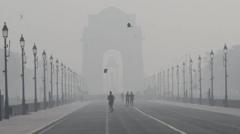
Air quality in Delhi has plunged into a severe crisis as pollution levels soared far beyond safe limits, particularly alarming with the impending Diwali festival. Recent data shows that particulate matter (PM 2.5) concentrations have skyrocketed, triggering health warnings and grim forecasts for the upcoming days.
In recent days, Delhi's air has descended into a perilous state, with pollution levels marking an unprecedented surge. Reports indicate that PM 2.5 readings exceeded the World Health Organization's recommended safety limits by 25 to 30 times across various locations, prompting deep concern among environmental specialists. The Capital's air quality recently fell within the "severe" and "very poor" categories, a trend expected to escalate due to adverse weather patterns and festivities like Diwali, where fireworks and crop residue burning are particularly influential.The health ramifications of this air crisis are severe, with tiny particulate matter penetrating deep into the respiratory system. On Monday, readings soared as high as 350 micrograms per cubic metre, categorizing the air quality as vastly threatening. As winter approaches, the infamous Delhi smog is compounded by vehicular emissions, construction dust, and stubble burning from neighboring agricultural states. Despite calls for better management and support for farmers seeking alternatives to traditional burning methods, government initiatives to curb this practice have fallen short. In the wake of Diwali, authorities have enacted a complete ban on firework sales and manufacturing, although historical trends indicate that such restrictions often yield limited compliance, leading to serious air quality setbacks.To combat rising toxins, the Delhi government is undertaking multiple measures including the Graded Response Action Plan (GRAP), which aims to limit coal and firewood use and reduce diesel generator operations. Additional precautions advise residents to stay indoors, increasing public transport use, and halting non-emergency construction work to mitigate exposure and pollution. With the air quality crisis persisting, proactive community action alongside government intervention remains crucial to restore healthier air conditions. While the city braces for the festive season's impact on air quality, ongoing discussions on sustainable agricultural practices and pollution management solutions will be critical in preventing future toxic air episodes.