In brief
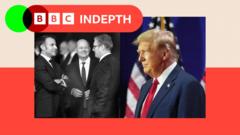
With Donald Trump's re-election, Europe is reevaluating its strategic partnerships and economic resilience. Despite internal challenges, leaders are preparing for his unpredictable approach to international trade, defense, and diplomacy, facing a landscape fraught with potential volatility and shifting allegiances.
In a climate defined by uncertainty and challenge, Europe finds itself at a pivotal moment as Donald Trump reclaims the presidency. An influx of concerns arises from political and economic instability across key EU nations, including France and Germany. Voters like Iris Mühler, a northeast German engineering teacher, voice frustrations over a seemingly singular focus from media on Trump, despite domestic challenges overshadowing other pressing issues.The prior administration's tumultuous transatlantic relationships haunt European leaders wary of heightened volatility. Observers note that Trump's penchant for transactional diplomacy diminishes the historic alliances that shaped global diplomacy since World War II. His view of international relations—as a battleground of winners and losers—places Europe on alert, especially after his proclivity to lash out at longstanding allies rather than adversaries like China.Trade dynamics complicate matters; Donald Trump’s former threats of tariffs continue to reverberate. His potential imposition of blanket tariffs on imports could decimate economies reliant on exports, particularly in Germany, where a fragile economy gasps for growth amidst supply chain worries and increased military spending demands.Notably, former German Chancellor Angela Merkel remarked on Trump’s apparent disdain for Germany during his last term. Analysts assert that Germany remains on Trump’s radar, with potential economic fallout looming amid proposed tariffs. While the UK may have dodged some fallout due to its favorable trade balance, a potential EU-US trade conflict casts shadows on its stability as well.The unpredictability of Trump’s threats poses an existential question: How prepared is Europe for this new phase of engagement? Analysts suggest a lack of readiness beneath the surface of Europe's political structures, echoing concerns of broader economic repercussions of a trade war instigated by Trump.Furthermore, emerging complications weave through trade and defense, where once-operational separations blur under Trump’s governance style. His cross-continental ballets involving military and economic quid pro quos, including unwarranted demands for the transfer of Greenland from Denmark, heighten tensions in an already fractious landscape, commanding a concerted EU response.Amid all this, leaders like Emmanuel Macron propose a dual approach: Coaxing Trump through diplomatic engagement while simultaneously fostering European self-sufficiency to withstand potential policy shocks. Macron argues vocally for a strategic autonomy, especially as Covid-19 and military conflicts have illuminated Europe’s vulnerabilities to external dependencies.As the continent scrutinizes its standing facing Trump 2.0, there is a realization that the landscape, while challenging, could also foster avenues of collaboration. EU leaders express a measured resolve to navigate the unpredictable terrain established by Trump while being vigilant against threats to civil rights and global agreements.As part of this fraught tango, new alliances may emerge amidst the fractures, indicating that Europe, while politically weakened and economically cautious, retains resilience forged through years of instability. The next chapter of transatlantic relationships hinges on whether Europe can maintain unity and assertiveness in the face of an often-erratic American presidency.