
In brief
In an unprecedented disclosure, Tadashi Yanai, CEO of Fast Retailing—the parent company of Uniqlo—asserted that the fashion retailer does not utilize cotton sourced from China's Xinjiang region, an area notorious for allegations of forced labor involving the Uyghur minority. This announcement comes as Uniqlo navigates a challenging landscape marked by increasing awareness and scrutiny over human rights issues tied to their supply chain. Despite expanding its presence in key global markets, the brand remains heavily invested in China, home to a substantial consumer base and manufacturing capabilities.
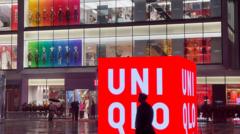
Uniqlo has around 1,000 stores in China, and despite pressures from global human rights organizations and international scrutiny, the company has historically refrained from confirming its stance on Xinjiang cotton. Earlier, during a period of intense backlash against brands utilizing such materials, Yanai remained neutral, preferring not to alienate China—a crucial market for the brand.However, in a clear departure from this cautious approach, Yanai recently stated, "We’re not using [cotton from Xinjiang]", while also acknowledging the political sensitivities surrounding the issue and choosing to limit further commentary. Isaac Stone Fish of Strategy Risks observed the inescapable political tensions faced by major corporations caught between the competing demands from Washington and Beijing, emphasizing that a stance of neutrality is increasingly untenable.Uniqlo's strategic aim appears focused on expanding its footprint in China despite rising competition from both local and international fast fashion players. With aspirations to increase its store count significantly in the world’s second-largest economy, Yanai notes the immense potential within the 1.4 billion-strong Chinese population, showcasing an aggressive ambition to triple the number of stores in the region.Simultaneously, Uniqlo is adapting to the global fashion landscape challenges, where ultra-fast fashion brands like Shein and Temu are vying for cost-conscious consumers. Yanai maintains that fast fashion lacks sustainability, arguing that it leads to unnecessary waste, while Uniqlo aims to champion durable essentials for longer-term wear.As Uniqlo continues to pursue its growth trajectory, Yanai's ambitions of outpacing rival Inditex, the owner of Zara, in global market dominance will necessitate an effective approach to navigating sensitivities surrounding labor rights and sourcing policies as a central aspect of its branding strategy, especially if geopolitical tensions escalate further in light of potential changes in U.S. administration policies.
