In brief
In Gaza, the dire conditions resulting from conflict have transformed pregnancy and childbirth into perilous experiences. With limited access to medical care and basic nutrition, many women face increased risks during these crucial times. Reports highlight a surge in complications, malnourished infants, and tragic stories of loss, as healthcare facilities are overwhelmed and support networks dissolve.
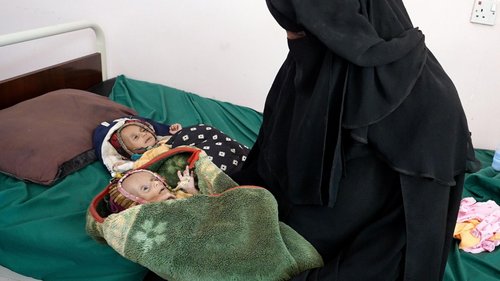
In the midst of a protracted conflict, pregnant women in Gaza are grappling with unparalleled stress and fear for their unborn children. The ongoing war has exacerbated existing humanitarian crises, leaving many women without access to essential medical care, nutritional resources, and emotional support.The United Nations reports alarming statistics: one in ten newborns is born underweight or prematurely in Gaza, amidst rising incidents of miscarriages and congenital abnormalities. At Nasser Hospital in Khan Younis, seven-month-pregnant Malak Brees reveals the nightmare of bearing a child amidst bombings and evacuations. "I'm frightened that I could have a premature birth at any time," she shares, highlighting the dire impacts of malnutrition and stress on both her and her fetus.The humanitarian situation has become increasingly dire since March when Israel imposed a total blockade. Without reliable access to painkillers and hygiene essentials, pregnant women are sometimes forced to give birth in tents, lacking basic medical support. "Women who have had surgical C-sections are often discharged within 24 hours, far from the typical post-operative care needed," says Sandra Adler Killen, an American nurse working in Gaza.The blockade has severely affected prenatal care, leaving many of the approximately 55,000 pregnant women in Gaza without regular checkups or necessary supplies. Dr. Ahmad al-Farra, a paediatric and maternity care head, expressed concern for the women, noting a collective expectation of complications due to inadequate nutrition and monitoring.For families like Aya al-Skafi, the tragedy is all too real. After struggling to secure vital nutrition for her daughter Jenan, who succumbed to malnutrition at just four months old, Aya reflects on her desperation as she tried to seek food and proper care for her child. "I begged for help but only God answered," she recounts, illustrating the hopelessness many face as they navigate the constant threat of violence and malnutrition.The Gaza Infant Nutrition Alliance, a Scotland-based organization, is working to empower local medics and provide support to struggling mothers. However, the need for immediate solutions is escalating amid heart-wrenching stories of loss and survival. Many mothers experience devastation, including those detailing their attempts to breastfeed under perilous conditions while lacking necessary resources.As women continue to confront the trauma of childbirth in makeshift shelters and under the constant threat of violence, the fragile hope for newborn life is overshadowed by relentless hardships. In this environment, each baby's arrival, rather than being a joyful occasion, represents a daunting battle for survival in a context of despair and crisis.