In brief
In the heart of Port-au-Prince, Haiti, rampant gang violence has left the nation in despair, with hospitals struggling to cope as malnutrition and gunshot wounds proliferate. Families, like that of Venda’s two-year-old daughter Shaina, find themselves caught in a dire situation, seeking aid amid the fear of gang retribution. While international forces attempt to restore order, the grip of gangs continues to tighten, leaving communities in a state of fear and vulnerability.
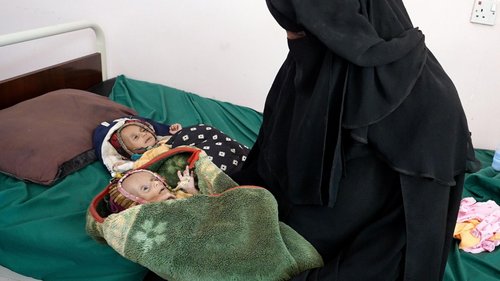
Amidst the rising chaos in Haiti's capital, Port-au-Prince, Venda's heart races with despair as she watches her two-year-old daughter, Shaina, held precariously by an intravenous drip at one of the few remaining hospitals. Shaina, suffering from acute malnutrition, embodies a crisis that grips 760,000 children on the verge of famine in Haiti. Terrified of the gang warfare raging in her neighborhood, Venda hesitated for weeks to seek vital medical treatment for her daughter. "I want to get proper care for my child, I don't want to lose her," she pleads tearfully.Since the assassination of President Jovenel Moïse in 2021, the streets of Port-au-Prince have become the battleground of rival gangs, with an alarming 85% of the city now under their control. Tragically, gun violence directly impedes safety, even inside medical facilities. Reports indicate that clashes between police and gangs erupted in the very emergency ward where Venda now hopes to save her child. The UN estimates that 5,000 lives have been cut short in Haiti this year alone as violence spirals increasingly out of control.The youth of Haiti, driven by hopelessness, are easy prey for gangs. Pierre, one of many who have suffered from the violence, recounts how he was caught in gang crossfire. "If the government were more stable and provided better youth programmes, maybe they wouldn't join gangs," he laments. The exacerbation of gang violence prompted the UN Security Council to authorize a Multinational Security Support Mission (MSS) earlier this October. With funding primarily from the US, this Kenyan-led force arrived in Haiti six months ago, tasked with restoring order.On a recent patrol through Port-au-Prince, the prevalence of armed conflict is alarmingly evident. The convoy, traveling in heavily armed personnel carriers, maneuvers through abandoned streets littered with remnants of violence — barricaded access points, burnt-out vehicles, and burnt bodies serve as dark reminders of the sovereignty lost to gangs. During one encounter, the convoy came under fire as bullets rattled off their armored vehicles. Kenyan officers retaliated swiftly, but the violence only further highlighted the urgency of their mission against an outmatched enemy.Faced with a staggering 12,000 armed gang members, the 400 Kenyan officers deployed are vastly outnumbered. Though they expected reinforcements promised by the UN, absences leave them understaffed and unprepared to tackle many areas still firmly in gang control. Commander Godfrey Otunge expressed optimism about the mission's future amidst challenges, highlighting that locals demand expansion of their outreach for peacekeeping.In gang-occupied areas like Wharf Jérémie, civilians flourish under fear, with reports confirming over 200 civilians killed by one gang in a mere weekend. Meanwhile, UNICEF reports that the ranks of children recruited into gang life have surged by 70% in just one year. Renel Destina, the notorious leader of the Gran Ravine gang, dismissed the atrocities committed by his affiliates, attributing their violence to retaliation and a lack of economic opportunities.With violent gang takeovers displacing approximately 700,000 residents, schools are now shelters for desperate families like Negociant's. Once settled at home, she and her five children are now among the internally displaced, seeking refuge in makeshift camps after fleeing their neighborhoods during violent upheaval. "Today, again, I'm on the run to save my life and my children," she reflects, revealing the broader reality of suffering faced by countless families within the capital's harsh landscape.As the struggles in Port-au-Prince deepen, the tragedy of families like Venda's and Negociant's underscores the devastating impact of gang violence, leaving a whole generation caught in a cycle of despair and hopelessness.