In brief
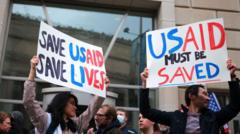
The head of WHO has called for the resumption of USAID funding after the agency's freeze has affected health services, particularly in combatting HIV and other diseases, in 50 nations. Experts warn of potential disease spread and delays in vaccine development due to reduced support.
In a concerning development for global health, the World Health Organization (WHO) has reported that the suspension of funding from the United States Agency for International Development (USAID) is adversely affecting health services in 50 countries. This freeze, initiated under former President Donald Trump's administration, has raised significant alarms regarding the continuity of crucial health programs aimed at combatting diseases like HIV, polio, and others.Dr. Tedros Adhanom Ghebreyesus, the WHO chief, emphasized the urgent need for the Trump administration to reconsider the funding freeze, stating that ongoing actions are leading to severe repercussions for public health globally. During a virtual press briefing from Geneva, Dr. Tedros highlighted the immediate impacts of the freeze, particularly on the President's Emergency Plan for AIDS Relief (PEPFAR), which has halted vital services such as HIV treatment and testing.The current aid suspension is also contributing to the closure of clinics and the furloughing of healthcare workers, intensifying fears of a resurgence in disease outbreaks. Public health experts have noted that the ramifications of this funding freeze extend beyond immediate healthcare services, presenting long-term threats to vaccine development and new treatment regimens.The situation is exacerbated by controversial remarks from Trump regarding the effectiveness of USAID, labeling the agency as "incompetent" and "corrupt." Despite these claims, neither Trump nor his allies have presented substantial evidence to support their assertions. In tandem with the funding freeze, Trump's administration has also initiated withdrawal measures from WHO, further hindering global health initiatives.As the WHO navigates these challenges, emergency protocols similar to those employed during the COVID-19 pandemic have been activated to mitigate the shortages in life-saving medications, especially for HIV treatment. Collaborative efforts between nations continue, but officials like Meg Doherty from WHO stress the necessity for a sustainable, long-term solution to prevent further disruption of health services essential for millions worldwide.The ongoing developments underscore an urgent call for international solidarity and support for global health initiatives, emphasizing the critical role of aid in maintaining health equity and combating infectious diseases worldwide.