
In brief
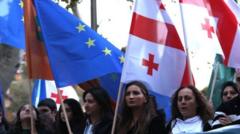
In the upcoming pivotal elections in Georgia, opposition groups advocate for a renewed push towards European integration amidst concerns of Russian encroachment, while the ruling party downplays the significance of the vote. The outcome may significantly impact Georgia’s aspirations to join the EU, with public sentiment leaning towards pro-Western alliances despite political turbulence.
As Georgia prepares for a crucial election, the nation finds itself at a crossroads, grappling with its historical struggles against Russian influence that continue to resonate deeply. In the backdrop of a five-day war in August 2008, when Russian forces invaded, the scars of conflict remain fresh for many citizens. This election has been framed by opposition parties as a direct choice between aligning with Europe or capitulating to Russia, as they seek to unseat the ruling Georgian Dream party, which they accuse of drifting back towards Moscow.Mindia Goderdzishvili, leading the campaign in Gori for the Coalition for Change, reflects on the memories of conflict, stating, “In these streets we had Russians.” He critiques the current government for manipulating the emotional history of war for political gain, as concerns about Georgian autonomy and security intensify among voters. Meanwhile, the Georgian Dream party, led by billionaire Bidzina Ivanishvili, has distanced itself from the opposition's rhetoric, emphasizing its commitment to peace and stability, while asserting that a vote for the opposition is a vote for conflict.At the heart of Gori lies the ghost of past war efforts, including the graves of soldiers who died defending their land during the 2008 conflict. Maka Bochorishvili, the head of Georgia's EU integration committee, cautions that without NATO membership, the country's security remains uncertain. Although the Georgian Dream party reassures voters of its commitment to fulfilling aspirations for EU membership by 2030, recent legislative actions, including a controversial law targeting “foreign influence” and measures affecting LGBT rights, have raised doubts about Georgia’s trajectory towards Europe.With an estimated 80% of Georgians supporting EU membership, the weight of public opinion is increasingly felt. President Salome Zourabichvili has encouraged voters to rally behind opposition groups advocating for a technocratic government, deepening the divide between pro-European aspirations and the ruling party’s disingenuous claims.As Bidzina Ivanishvili rallies support under the guise of national security, he faces backlash from the public, especially younger voters like Aleksandre Patsinashvili who perceive the ruling party’s explanations about the 2008 war as misleading. With many contemporaries leaving towns like Shindisi due to limited opportunities, there’s a growing demand for tangible progress in combating Russian threats and reinforcing Georgia’s European identity.In a broader context, Russian interests align with the ruling party, complicating the political landscape. Accusations of foreign interference permeate the atmosphere, with Ivanishvili himself citing unfounded claims of a planned coup to destabilize his party’s governance. Yet as the nation contemplates its future, voices within Gori echo a longing for a path that unambiguously leads toward Europe, illustrating a shared belief that a European future is the desired destination, regardless of the challenges ahead.

