
In brief
Despite efforts to revive the traditional blue aesthetics, rising temperatures and urbanization threaten Jodhpur's identity.
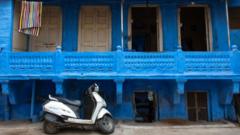
With the sun heating up the streets of Jodhpur, India’s famed 'Blue City,' the signature azure homes of Brahmapuri, nestled beneath the historic Mehrangarh Fort, face a bleak future. Known for its unique skyline and cultural significance, this neighborhood is rapidly losing its blue hue, primarily due to climate change and shifting construction practices.The blue homes that characterize Brahmapuri were originally painted in natural indigo, a symbol of cultural tradition reflecting the social status of the upper-caste Brahmins who settled in the area centuries ago. These homes were not merely aesthetic; the blue paint served practical purposes, keeping houses cooler and deterring pests. However, increasing temperatures—rising from an average of 37.5°C in the 1950s to 38.5°C in recent years—have made this once effective color less suitable for comfort.Esther Christine Schmidt, an assistant professor at Jindal School of Art and Architecture, notes that while the iconic blue was established in the 17th century, the reliance on indigo has dwindled due to its detrimental effects on soil health, leading to increased costs. Nowadays, the average cost to repaint a home blue has skyrocketed from around 5,000 rupees ($60) a decade ago to over 30,000 rupees today.Local civil engineer Aditya Dave echoes this sentiment, stating that maintaining the traditional blue is becoming increasingly unfeasible. The allure of modern building techniques and materials—such as concrete and cement—has overshadowed indigenous methods that favored lime plaster and natural paints.Community activist Deepak Soni highlights a growing concern that Jodhpur risks losing its unique identity, which attracts tourists and defines its character. In response, he has been advocating for the restoration of the blue color to 500 homes each year, partnering with local authorities and gathering community support.Despite these efforts, current estimates indicate that only around half of Brahmapuri’s approximately 33,000 houses are still blue. The local government is now exploring sustainable solutions, including the use of lime plaster, to allow more homes to be restored to their traditional color.In the face of these challenges, residents and activists acknowledge that it's essential not only to preserve the aesthetic but also to champion the heritage that binds their community together. "Why will visitors care about our city if we don't care about its heritage?" asks Soni, emphasizing the joint responsibility of residents and local officials to fight for Jodhpur's future.

