
In brief
The anticipated fourth round of nuclear negotiations between the US and Iran has been postponed due to logistical reasons, with both sides expressing a desire to continue discussions. However, escalating tensions from new US sanctions are complicating prospects for a resolution.
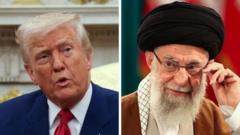
A fourth round of negotiations regarding Iran's nuclear program, set to take place in Rome, has been postponed due to "logistical and technical reasons," as announced by Iranian officials. This decision was made jointly with facilitators from Oman, with the US stating that the timing of the talks had not been confirmed prior to the announcement. The postponement comes amid fresh threats from US President Donald Trump aimed at those purchasing Iranian oil and petrochemicals, following the introduction of additional sanctions targeting companies allegedly connected to Tehran. Trump has consistently expressed intentions to negotiate a more favorable deal since the US withdrew from the nuclear agreement with Iran and five other powers in 2018. He has also warned of military action should these latest negotiations, which began in April, not yield results. Iran's Foreign Minister, Seyed Abbas Araghchi, reiterated during this period that Tehran is determined to find a negotiated resolution. He emphasized on social media the importance of securing an end to sanctions while ensuring that Iran's nuclear agenda remains peaceful and respects Iranian rights. Meanwhile, a US State Department spokesperson stated that the upcoming meeting had not been officially confirmed and expected the discussions to occur "in the near future." Oman’s foreign minister indicated that a new date for the talks would be determined when all parties involved reach an agreement. Despite the postponement, experts suggest it does not signal a breakdown in negotiations, as there is mutual interest in avoiding conflict. However, reports from Tehran indicate growing skepticism regarding the talk’s effectiveness, particularly in light of new sanctions and perceived inconsistencies from the US delegation.The latest sanctions are a part of Trump's strategy known as "maximum pressure," aimed at limiting the Iranian regime's capabilities to fund destabilizing activities in the Middle East, according to a US State Department statement. On social media, Trump detailed that any nations or individuals engaging in trade with Iran would face immediate sanctions, prohibiting them from any dealings with the US.Amidst this uncertain backdrop, messaging from US officials has warned that Iran could face consequences for its support of regional groups such as the Houthis in Yemen. The Houthis, aligning themselves with Iran against Israel and Western powers, have been at the center of rising conflicts, leading the US to conduct military strikes against them in recent months. While Trump seeks to curtail Iran's pathways to developing nuclear weapons, differing opinions within his administration play an outsized role in shaping US policy, pushing for both the dismantlement of Iran’s nuclear enrichment capacity and the cessation of support for regional proxies. Iran maintains that its nuclear pursuits are purely peaceful while seeking a deal that offers sanctions relief without complete dismantlement of its enrichment capabilities, amidst what has been characterized as the most extensive sanctions regime in history, second only to Russia.


