In brief
A devastating bacterial outbreak at Hong Kong's Zoological and Botanical Gardens has led to the deaths of twelve monkeys, raising concerns over soil contamination and zoonotic disease transmission.
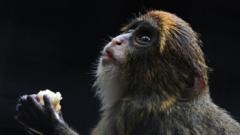
The ongoing tragedy at the Hong Kong Zoological and Botanical Gardens has seen the loss of twelve monkeys, including rare species, due to a suspected outbreak of melioidosis, a disease caused by the bacteria Burkholderia pseudomallei. Health officials have initiated an investigation to confirm whether the latest monkey death on Tuesday is linked to the same bacterial infection responsible for the previous eleven fatalities over a ten-day period.The deceased monkeys, which include critically endangered cotton-top tamarins and white-faced sakis, were isolated following the first reported deaths on October 13. Autopsy examinations have discovered that soil samples taken from near the primates’ enclosures contained high levels of sepsis-inducing bacteria. Authorities suggest that construction workers may have inadvertently introduced contaminated soil into the monkeys’ habitat via footwear.Dirk Pfeiffer, a veterinary epidemiologist at City University of Hong Kong, has indicated that while the likelihood of human infection is relatively low, the incidence of multiple fatalities in a confined animal population is a concerning sign. He highlighted that soil contamination often goes unnoticed in Asian regions.The monkeys' illness is linked to melioidosis, known to be prevalent in tropical and subtropical areas, and can be transmitted through contact with contaminated soil, air, or water. The twelfth monkey's autopsy displayed similar signs to its predecessors, prompting further concern among caretakers. In response to the outbreak, the zoo's mammal section has been closed for thorough cleaning and disinfection since October 14. Despite the current health assessment indicating that the remaining 78 mammals are unharmed, animal rights organization Peta has vocally criticized the practice of holding animals in captivity, suggesting that efforts should shift toward the preservation of natural habitats to ensure their safety and health.This tragic outbreak has echoes of past incidents, with the first recorded case of melioidosis in Hong Kong occurring in the mid-1970s when twenty-four dolphins died at Ocean Park. The current situation underscores the complex interplay between animal welfare, public health, and environmental pollution.