In brief
Typhoon Yinxing has made landfall in the Philippines, forcing mass evacuations and raising concerns over severe flooding and wind damage in Luzon.
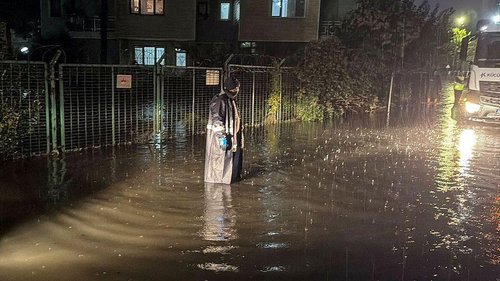
Typhoon Yinxing struck the Philippines on Thursday afternoon, unleashing its ferocious winds and torrential rains upon Luzon, the most populous island in the nation. With maximum sustained winds reaching approximately 144 miles per hour, the storm was classified as a Category 4. The U.S. Navy’s Joint Typhoon Warning Center confirmed that the typhoon made landfall near Santa Ana at around 2 p.m. local time.In preparation for the storm's impact, over 160,000 residents have been evacuated as of Thursday morning, according to the Office of Civil Defense. Schools and businesses across the region have been closed, creating a sense of urgency as authorities brace for the approaching natural disaster. In light of the storm's potential, warnings of storm surges reaching heights of about 10 feet have been issued.In a proactive response, President Ferdinand R. Marcos Jr. declared a "high alert" status for the country and mobilized the public works and transportation departments to ensure readiness for immediate road-clearing efforts. The government also issued critical flash flood and landslide warnings, urging residents to evacuate or seek shelter as the storm approached.Historically, the Philippines is vulnerable to tropical storms, averaging around 20 each year. Just months prior, Typhoon Krathon caused significant flash flooding in the northern regions, while Tropical Storm Trami claimed 80 lives and necessitated the evacuation of half a million individuals. The implications of Typhoon Yinxing are still unfolding as communities unite to withstand the latest threat from nature.