
In brief
Prime Minister Modi's recent comments hint at potential improvement in India-China relations, even amid lingering border disputes and strategic rivalries. With robust trade and the intent for deeper cooperation, both countries may find common ground, although significant challenges remain.
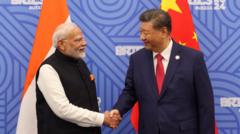
In a noteworthy development, Indian Prime Minister Narendra Modi has articulated a vision for closer ties with China, indicating a possible thaw in relations that have been fraught with tension. In a recent interview, Modi mentioned that normalcy had returned at the contentious India-China border, and he called for enhanced bilateral cooperation. His remarks signal a significant shift, considering the long-standing rivalry between the two nations, particularly following a deadly clash in the northern Ladakh region in 2020.The Chinese foreign ministry responded positively, with spokeswoman Mao Ning emphasizing that both countries should aim to be partners for mutual success. Modi’s overture suggests a nuanced approach to an improving relationship, though structural tensions persist, necessitating careful navigation on both sides for actual rapprochement.Despite memories of the Ladakh incident, economic ties between India and China remain robust, with China still serving as India's largest trade partner. Cooperation also extends to various multilateral platforms like BRICS and the Asian Infrastructure Investment Bank, with joint interests in countering terrorism and exploring economic alternatives to Western models.High-level military dialogues have continued despite previous clashes, leading to agreements such as resumed border patrols, which might nurture some degree of trust. Both Modi and Chinese President Xi Jinping previously met at a BRICS summit, signaling their commitment to dialogue, with discussions ongoing regarding resumption of direct flights.Yet the relationship is complicated by external entanglements, with India aligning closely with the US and China maintaining significant partnerships with Pakistan, complicating the geopolitical landscape. The contentious issue of Kashmir remains a bone of contention, while China's Belt and Road Initiative is met with staunch opposition from India due to territorial conflicts.Proximity in interests has grown increasingly strained, especially as India engages with Taiwan—whom China views as a breakaway province—while negotiating advanced arms sales in Southeast Asia to counter Chinese influence.Key indicators to gauge future developments include ongoing border talks, with a contentious 50,000 square miles still under dispute. Potential confidence-building measures could serve as catalysts for the relationship. Additionally, future engagements between Modi and Xi, especially at upcoming international summits, could pave the way for a stronger partnership.The role of Chinese investment in boosting vital sectors of the Indian economy also holds significant weight, as it could help ameliorate India's chronic trade deficit with China. As the regional landscape shifts due to changing political dynamics in neighboring countries, Delhi's outlook may evolve concerning China's influence.Ultimately, both India and China, as two Asian powerhouses, face the intricate dance of competition and collaboration. While Modi's optimistic dialogue signals a desire for improved ties, the path ahead is laden with challenges that require strategic foresight and mutual concession.

