
In brief
The push towards becoming a tech superpower involves massive investments, innovative startups, and a young STEM-educated workforce.
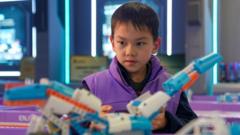
In a modest Beijing apartment, eight-year-old Timmy excitedly plays chess with his new AI robot, a glimpse into China's burgeoning artificial intelligence revolution. This friendly gadget, which responds in Mandarin and provides suggestions, represents China's commitment to weaving AI into everyday life – not just in specialized labs, but right in family living rooms.The development follows a strategic ambition set by the Chinese government to establish itself as a technology leader by 2030. The attention-grabbing DeepSeek chatbot launched earlier this year sparked a surge of investment in local AI ventures, with over 4,500 companies tapping into this budding market. Schools in Beijing are set to introduce AI courses for younger students, while universities are expanding their AI-related programs amidst high competition for talent.Timmy's mother, Yan Xue, embraces AI as an unavoidable part of education and future interactions. The chatbot's versatility extends beyond chess, with plans for language tutoring and educational games, making its $800 price tag feel justified. Sooner or later, "we have to learn to coexist with AI," she explains, highlighting a growing cultural acceptance of technology in child-rearing.President Xi Jinping emphasizes the crucial role of AI in aiding China's economy, particularly in the face of international challenges such as trade tariffs from the United States. The government is preparing to invest 10 trillion yuan ($1.4 trillion) over the next 15 years, pushing ahead with policies designed to create a thriving ecosystem for AI development, including a 60 billion yuan investment fund established shortly after US restrictions were tightened.Companies like SenseRobot, the manufacturer of Timmy's chess robot, are reaping the benefits of this wave of enthusiasm. With over 100,000 units sold, its products boast environmental credentials and functionality that surprise both local and international buyers. Educators and parents alike emphasize fostering a tech-savvy generation, confidently asserting China’s growing ingenuity in the realm of efficient production and innovation.Those numbers reveal more than just a shift in consumer habits; they illustrate a comprehensive strategy to leverage the millions of STEM graduates emerging from Chinese universities. This "talent pool" is contributing to creating competitive smart hardware and robots, positioning China as a leader in AI technology.However, as China rises in the AI landscape, so do concerns over data privacy and national security. Many Western countries are wary of the information Chinese companies could potentially share with the government, leading to bans on apps like DeepSeek in places like South Korea and Taiwan. While companies assure users of privacy protection, the skepticism remains.DeepSeek's rapid climb to popularity has garnered international attention, igniting fears and speculations about the potential implications of AI technologies on global privacy norms and security standards. As tech firms strive to innovate while addressing these sensitive issues, they recognize the need for transparency and an ethical approach to AI.In an atmosphere charged with possibility, Chinese companies like Mr. Tang's are melding ingenuity with engineering to push AI into various aspects of society, including robotics aimed at aiding the aging population. With Xi Jinping's call for “technological self-reliance,” China endeavors to minimize reliance on foreign technology and produce its own advanced materials, helping sustain the momentum of its AI industry.While DeepSeek has heralded a new era of AI development, other local firms are eagerly demonstrating their capabilities, showcasing robots capable of performing tasks such as search and rescue and playing sports at exhibitions. The excitement around AI has inspired optimism among young engineers eager to contribute to the trend.As China invests heavily in innovation and tech, the global stage watches closely, pondering whether this nation is on the brink of revolutionizing not just its industries but our understanding of AI itself. Despite the enthusiasm, experts caution that China remains in "catch-up mode," emphasizing that continued vigilance and competitive spirit will be vital as it navigates this long journey towards tech supremacy.
