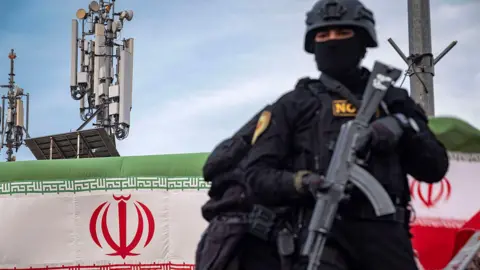
Over the past month, escalating hostilities between Iran and Israel have wreaked havoc across the region. Following a series of military operations, both countries found themselves on the brink of further escalation as fears grew of widespread warfare. The situation rapidly intensified on a tumultuous Monday, beginning with alarming signals to U.S. citizens, urging them to "shelter in place" in Qatar, home to the strategic al-Udeid military base. This warning illuminated how fragile peace had become, particularly as Iran threatened retaliation for recent U.S. strikes on its nuclear facilities.
As the sun rose, reports of a "credible threat" emerged, prompting action from both U.S. defense officials and air traffic controllers in Doha as they grounded flights in anticipation of potential missile strikes. A short time later, Iranian state media confirmed a retaliatory assault against the U.S. base and warned that its military installations across the region were increasingly becoming targets.
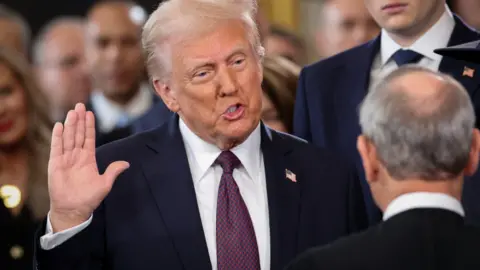
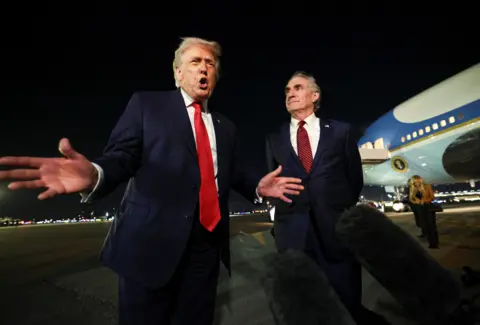
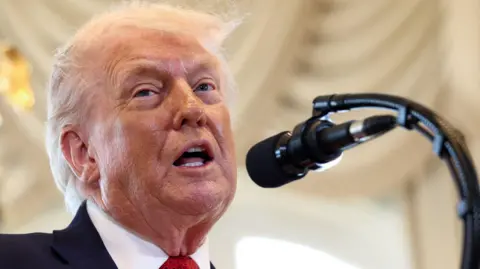
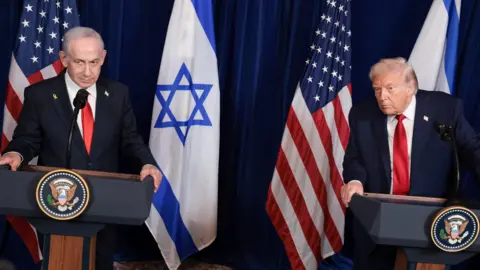
Concerns quickly shifted as news circulated about a potential ceasefire agreement being brokered amid the ongoing chaos. Following a direct conversation between U.S. President Trump and Israeli Prime Minister Netanyahu, a fragile peace plan materialized. With President Trump making a public plea for Israel to maintain restraint, he proclaimed, "CONGRATULATIONS WORLD, IT'S TIME FOR PEACE!" This statement effectively marked the dawn of what would soon be dubbed "the 12 Day War."
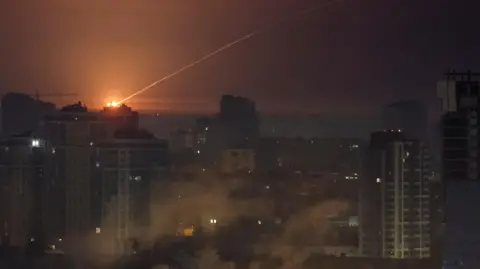
Later on, amidst this unexpected momentum towards peace, Iranian and Israeli missile strikes across the region persisted, undermining the newly proposed ceasefire. The drama continued as missile alerts blared in Israel, indicating that hostilities remained rife. Israel confirmed missile strikes aimed at Iranian assets, while Iran retaliated, revealing that the conflict had far from abated.
The situation further complicated as President Trump urged both nations to adhere to the ceasefire, expressing dissatisfaction with the urgent military actions taking place. The aftermath of this delicate dance for peace now hangs heavily in the balance, as officials from both sides reflect on the intricate nature of negotiating a sustainable resolution. While a ceasefire currently exists, its stability remains uncertain, raising questions about future diplomatic efforts in an already tense region.
As the sun rose, reports of a "credible threat" emerged, prompting action from both U.S. defense officials and air traffic controllers in Doha as they grounded flights in anticipation of potential missile strikes. A short time later, Iranian state media confirmed a retaliatory assault against the U.S. base and warned that its military installations across the region were increasingly becoming targets.
Concerns quickly shifted as news circulated about a potential ceasefire agreement being brokered amid the ongoing chaos. Following a direct conversation between U.S. President Trump and Israeli Prime Minister Netanyahu, a fragile peace plan materialized. With President Trump making a public plea for Israel to maintain restraint, he proclaimed, "CONGRATULATIONS WORLD, IT'S TIME FOR PEACE!" This statement effectively marked the dawn of what would soon be dubbed "the 12 Day War."
Later on, amidst this unexpected momentum towards peace, Iranian and Israeli missile strikes across the region persisted, undermining the newly proposed ceasefire. The drama continued as missile alerts blared in Israel, indicating that hostilities remained rife. Israel confirmed missile strikes aimed at Iranian assets, while Iran retaliated, revealing that the conflict had far from abated.
The situation further complicated as President Trump urged both nations to adhere to the ceasefire, expressing dissatisfaction with the urgent military actions taking place. The aftermath of this delicate dance for peace now hangs heavily in the balance, as officials from both sides reflect on the intricate nature of negotiating a sustainable resolution. While a ceasefire currently exists, its stability remains uncertain, raising questions about future diplomatic efforts in an already tense region.