
In brief
During a pivotal G20 meeting in Johannesburg, South Africa faced notable challenges with US relations, particularly following the absence of US Secretary of State Marco Rubio and Treasury Secretary Scott Bessent, highlighting the strains in diplomatic ties.
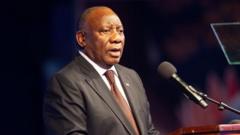
In a significant move, South Africa hosted G20 foreign ministers, marking its leadership as the first African nation in this role. President Cyril Ramaphosa emphasized the need for multilateralism, advocating for international law to tackle pressing global challenges. This comes in the wake of growing tensions with the US, especially under the “America First” agenda of former President Trump, which has led to non-participation in key meetings by top US officials. Rubio's boycott was notably directed against what he perceives as South Africa's "anti-American" policies, particularly criticizing its focus on diversity and sustainability.The G20, consisting of 19 nations, plus the African Union and European Union, represents a major portion of the world’s economy and population. The attendance of foreign ministers from China, Russia, France, and the UK underscored the importance of collective dialogue—contrasting sharply with the US's minimal representation through a deputy chief at its Johannesburg embassy.In Ramaphosa's opening speech, he warned of global fragility exacerbated by rising intolerance, conflict, and climate change, noting that the G20 lacks a unified approach to these significant issues. He stressed that the UN Charter's principles should guide the group's efforts.South Africa's presidency of the G20 will last until November 2025, with concerns about how that leadership will play out amid deteriorating relations with the United States. Tensions have escalated, particularly after Trump cut aid to South Africa, accusing the nation of unfair practices against the white minority. In a stark reaction to South Africa's stance in international political matters, Rubio condemned the nation for purportedly using the G20 to promote agendas related to equity and climate.As South Africa strives to represent developing countries on the global stage, the absence of vital US engagement could pose challenges to achieving its objectives during this critical presidency.

