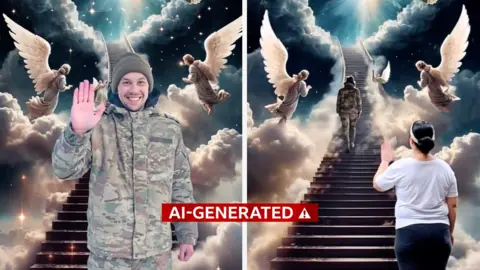
Researchers warn that YouTube is amplifying AI-generated political fakes that are spreading rapidly, especially in the context of upcoming elections worldwide. Digital-forensics teams monitoring these elections report that the platform's algorithm often allows misleading deepfake videos to reach millions before being flagged or removed. This creates an urgent situation, as the sophistication and speed of AI-generated content exceed YouTube's ability to manage it effectively.
Ben Colman, CEO of Reality Defender, emphasized the challenge of keeping up with the pace at which AI content is being generated, stating, “It’s very difficult for platforms to catch everything. The speed at which AI content is being created is outpacing the guardrails.” This issue becomes particularly critical as more than 40 countries prepare for significant election cycles.
While YouTube asserts that it enforces policies against misleading election content, the platform's response is inconsistent. According to a spokesperson, “We remove content that aims to mislead viewers about elections, and we apply labels to synthetic or altered content when appropriate.” However, researchers argue that deepfakes can spread faster than YouTube’s ability to respond, leading to the feected issuance of misinformation.
Sam Gregory from WITNESS warned, “We’re entering an era when people can’t tell what’s real — and platforms aren’t ready for that scale of confusion.” Analysts have noted troubling inconsistencies in content moderation, where some deepfakes are taken down swiftly while others remain online for extended periods, raising concerns about potential biases in YouTube's enforcement methods.
Digital rights organizations have echoed these concerns, cautioning that selective enforcement of policies can influence voter perception, particularly in regions where misleading videos can circulate unchecked. As scrutiny increases, European regulators have begun demanding clarity on YouTube’s methods for handling political content, indicating that failure to address these issues could allow for coordinated misinformation campaigns.
As noted by one analyst, “This isn’t the future — this is already happening, and it’s accelerating.” With the real and virtual worlds increasingly interwoven, YouTube faces a crucial challenge in managing information integrity as the landscape of political discourse continues to evolve with advanced technology.