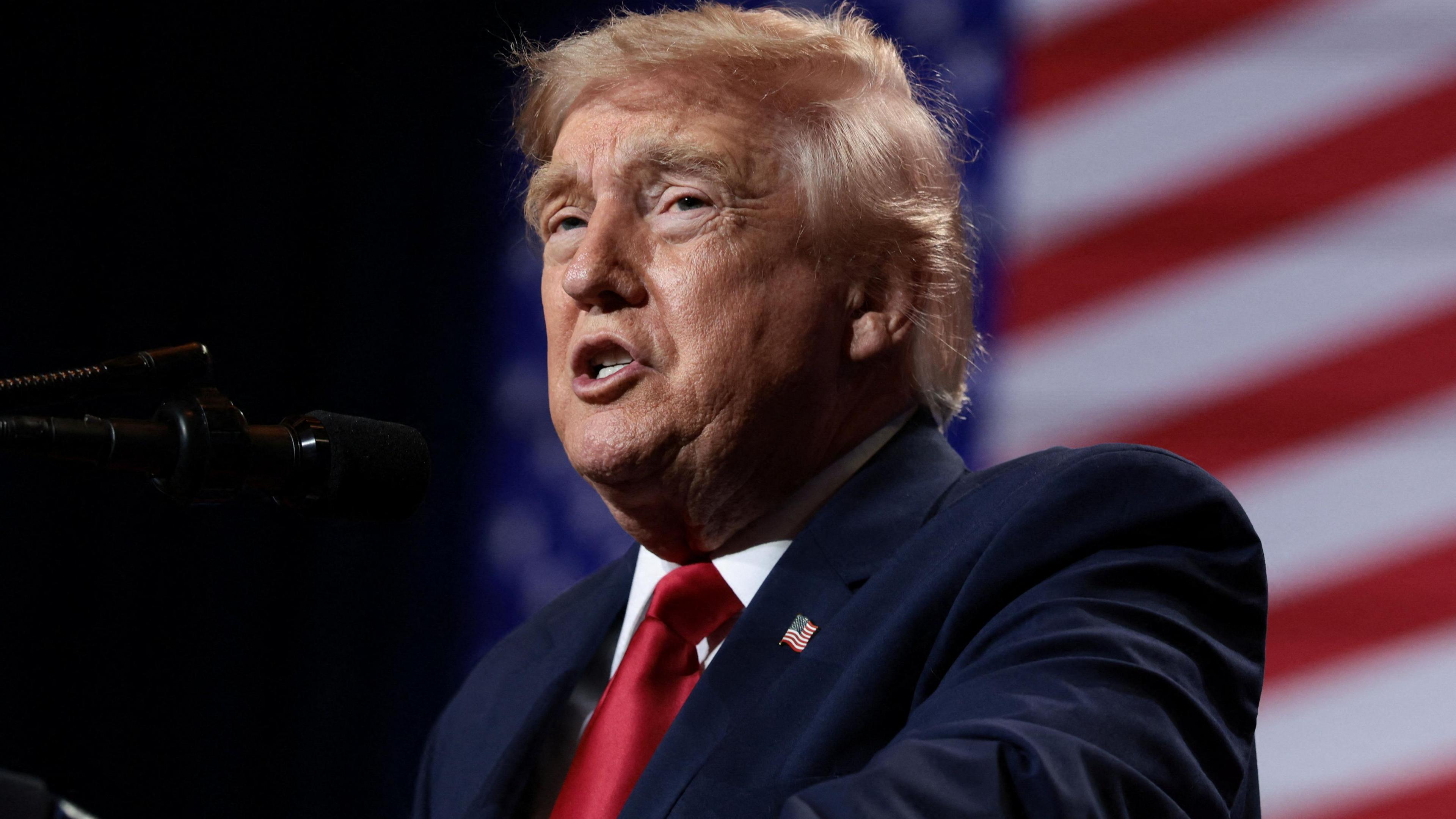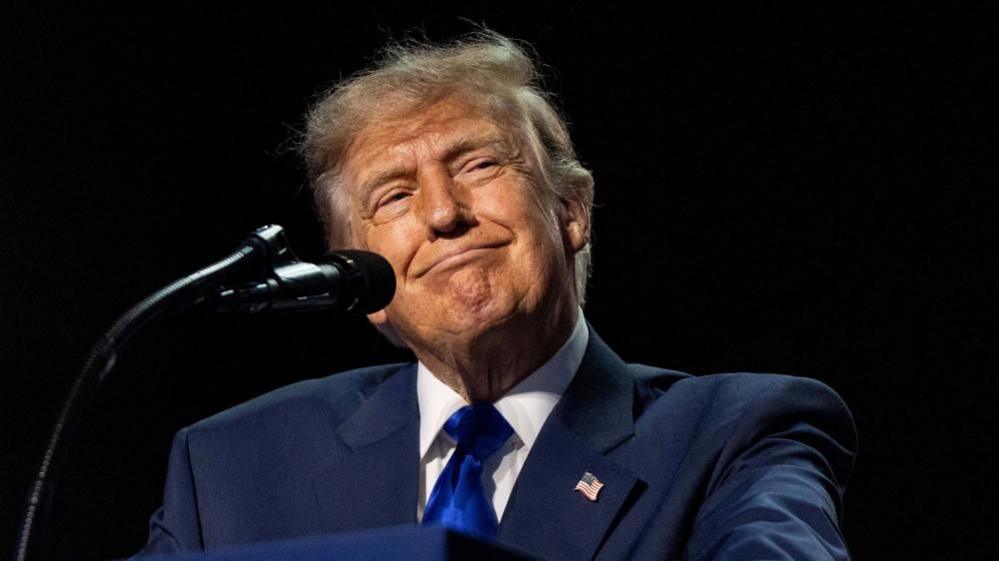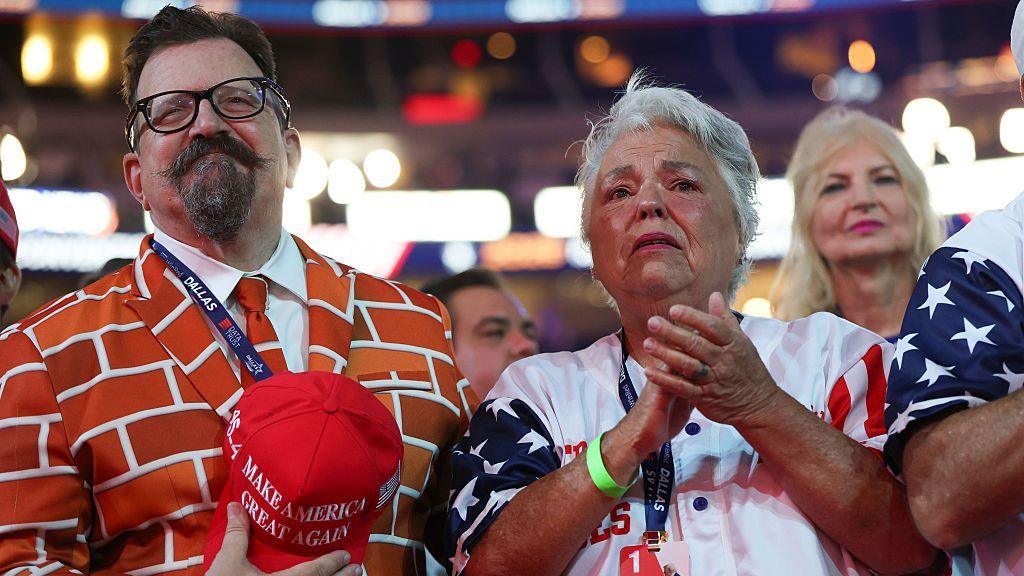
Despite a growing trend of religious disaffiliation in the United States, Trump has managed to garner immense support from certain Christian groups who interpret his rise as a signal of divine intervention. On the night of his election, Trump, standing proudly before a crowd of zealots in Florida, proclaimed that he had been spared by God to restore America to its greatness—a sentiment echoed by numerous evangelical leaders.
Though Trump has made statements about his Presbyterian upbringing, his spiritual authenticity remains questionable for many. Instead, he has skillfully appealed to a demographic fearful of declining church attendance, offering promises that resonate deeply with those longing for a return to Christian values in a secular world. Reverend Franklin Graham, notable for his staunch support, expressed conviction that divine forces had protected Trump from harm, reflecting a shared belief among his followers that he is on a sacred mission.
However, this discourse of divine election isn't universal. Critics like Reverend Monte Norwood highlight moral shortcomings in Trump's demeanor and actions, labeling his character as inconsistent with the values they hold dear. They argue that the celebration of Trump's leadership represents a perilous acceptance of hypocrisy within segments of white conservative Christianity.
The evolving dynamics of faith in the US add further complexity. The Pew Research Center reveals a significant decline in the number of Americans identifying as Christians, from 90% in the early 1990s to just 64% recently. This demographic shift has fueled a longing for a leader who promises the restoration of religious influence in governance, despite indications that many younger generations are moving away from traditional beliefs due to scandals within the Church.
Trump’s narrative of restoring Christian power seems to resonate with a specific demographic, yet broader polling indicates a stark division among religious groups regarding his leadership style. While white evangelical Protestant voters predominantly support Trump, there remains significant dissent among non-white Christian communities and those of differing faiths.
As the political landscape continues to develop, questions abound about the future of religious affiliation in America. The growing number of religiously unaffiliated individuals challenges Trump's base and his promise of a Christian renaissance.
In essence, the interplay between faith, politics, and personal morality continues to shape not only the perception of Trump but also the broader societal understanding of what it means to be a person of faith in today's rapidly shifting world. Whether this divine narrative will withstand the tides of change remains uncertain, but it's clear that the intersection of religion and politics will be a focal point in shaping America’s future.
Though Trump has made statements about his Presbyterian upbringing, his spiritual authenticity remains questionable for many. Instead, he has skillfully appealed to a demographic fearful of declining church attendance, offering promises that resonate deeply with those longing for a return to Christian values in a secular world. Reverend Franklin Graham, notable for his staunch support, expressed conviction that divine forces had protected Trump from harm, reflecting a shared belief among his followers that he is on a sacred mission.
However, this discourse of divine election isn't universal. Critics like Reverend Monte Norwood highlight moral shortcomings in Trump's demeanor and actions, labeling his character as inconsistent with the values they hold dear. They argue that the celebration of Trump's leadership represents a perilous acceptance of hypocrisy within segments of white conservative Christianity.
The evolving dynamics of faith in the US add further complexity. The Pew Research Center reveals a significant decline in the number of Americans identifying as Christians, from 90% in the early 1990s to just 64% recently. This demographic shift has fueled a longing for a leader who promises the restoration of religious influence in governance, despite indications that many younger generations are moving away from traditional beliefs due to scandals within the Church.
Trump’s narrative of restoring Christian power seems to resonate with a specific demographic, yet broader polling indicates a stark division among religious groups regarding his leadership style. While white evangelical Protestant voters predominantly support Trump, there remains significant dissent among non-white Christian communities and those of differing faiths.
As the political landscape continues to develop, questions abound about the future of religious affiliation in America. The growing number of religiously unaffiliated individuals challenges Trump's base and his promise of a Christian renaissance.
In essence, the interplay between faith, politics, and personal morality continues to shape not only the perception of Trump but also the broader societal understanding of what it means to be a person of faith in today's rapidly shifting world. Whether this divine narrative will withstand the tides of change remains uncertain, but it's clear that the intersection of religion and politics will be a focal point in shaping America’s future.