In brief
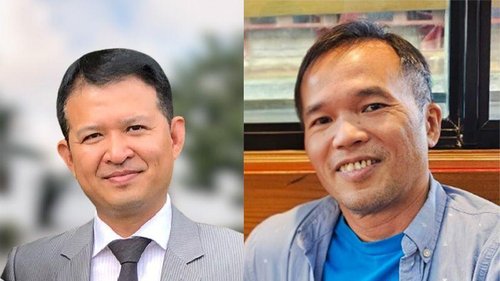
Summary: Following the departure of Prime Minister Sheikh Hasina amidst protests, Bangladesh's citizens have the opportunity to reclaim their future. Survivors of enforced disappearances, like activist Michael Chakma, recount their harrowing experiences in a secret military prison, shedding light on the need for justice and accountability in a time of change.
In August, as unrest gripped Bangladesh, Prime Minister Sheikh Hasina became a figure of the past, marking a shift in the country’s political landscape. This change offered a glimmer of hope to many, particularly those who suffered under her long-standing regime characterized by human rights abuses and a climate of fear. Among those who emerged from the shadows of a secret military prison known infamously as the "House of Mirrors," Michael Chakma—a tribal rights activist abducted in 2019—shared his haunting experience of enforced disappearance. "It was the first time I saw daylight in five years," Chakma recalled, emphasizing the surreal nature of witnessing sunlight after prolonged confinement.Under Hasina's rule since 2009, hundreds of individuals were reportedly subjected to forced disappearance, with many presumed dead or imprisoned under dire conditions. This troubling legacy has now entered a phase of scrutiny as investigative efforts aim to unearth details about the secret detention program.As Bangladesh navigates its course towards potential democracy, the stories of survivors like Chakma highlight the urgent need for accountability and healing. They serve as a reminder that while a new chapter may be unfolding, the shadows of the past linger, urging the nation to confront its history in pursuit of a brighter future.