
In brief
The recent rhetoric from former U.S. President Trump and his tariff threats against Canada have led to a significant shift in Canadian politics. Prime Minister Justin Trudeau's Liberal Party, previously trailing in polls, has seen a resurgence in support. As the political landscape evolves, the new Liberal leadership will face crucial decisions on how to respond to these external pressures and navigate the upcoming general election.
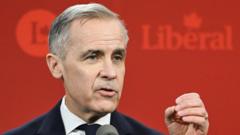
In a turn of events that may reshape the Canadian political landscape, threats from former U.S. President Donald Trump have galvanized support for Prime Minister Justin Trudeau's Liberal Party. While just months ago the Conservative Party, led by Pierre Poilievre, appeared poised for a decisive victory, recent polls suggest that Trudeau's political fortunes are rejuvenating, significantly narrowing the Conservatives' lead.The shift can be attributed to Trump’s imposing tariffs and provocative remarks regarding Canada’s sovereignty, which have overshadowed other pressing concerns for Canadian voters. According to political science expert Luc Turgeon from the University of Ottawa, Canadian anxieties about Trump's rhetoric have hijacked the political narrative, leading voters to prioritize national security and economic stability.Trudeau's approval ratings have surged by 12 points since last December, mainly due to heightened fears about the implications of U.S. actions on Canada. Despite announcing his resignation earlier in the year, Trudeau is becoming a key figure as the leadership contest within the Liberal Party intensifies. Newly elected leadership will grapple with addressing Trump's threats and strategizing for the imminent general elections due by October 20.Polling indicates that while many Canadians still pursue a shift in leadership, the exact direction remains unclear. Innovative Research Group President Greg Lyle points out that prior to Trump’s interventions, Conservative messaging focused on cost-of-living issues and healthcare services resonated strongly. However, as security concerns become a priority, the narrative is evolving.Despite indicating broad support for the Conservatives, recent developments have diminished their standing in the public eye. As Trump maintains a significant stance—threatening 25% tariffs on Canadian imports—concern mounts about potential job losses, escalating economic strife, and the very fabric of Canadian identity. Echoing these sentiments, Trudeau has criticized the tariffs as unjust and detrimental, suggesting an ulterior motive behind Trump's actions.In response, the Conservative Party has modified its messaging to "Canada First," attempting to appeal to nationalistic sentiments heightened by current events. This is juxtaposed against the Liberal Party's strategy to draw parallels between Poilievre and Trump, painting the Conservative leader as a domestic imitation of the U.S. president. However, overlap in policies and affinities have nuances that require careful navigation.Mark Carney, a leading candidate to succeed Trudeau, is positioning himself as a candidate capable of effectively managing relations with Trump's administration. His experience with economic crises lends a strategic edge as Canadians express concerns about future stability. While the Conservatives have begun to scrutinize Carney's past affiliations, his responses could prove pivotal in shaping the public’s trust.As Canadians gear up for potentially transformative elections, the response to Trump's tariffs and how leaders embody national values will be paramount. Both parties are sharpening their platforms in the face of rising sentiments of patriotism across the nation. Regardless of who claims victory, the influence of Trump on Canadian politics appears poised to endure, shaping discussions and strategies as Canadian leaders forge forward.
