In brief
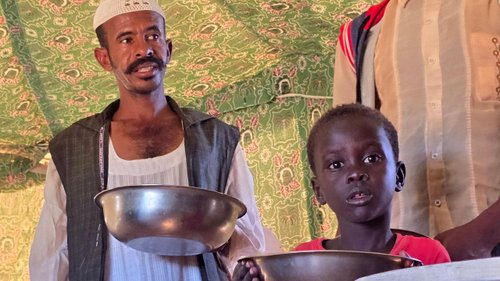
Amid escalating violence, the Sudanese army declares significant territorial gains in Khartoum, vowing to end the siege imposed by the RSF after nearly two years of brutal conflict. Humanitarian conditions continue to deteriorate as aid workers warn of widespread famine.
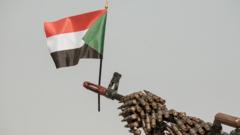
Residents in Sudan's capital, Khartoum, are navigating a renewed wave of violence as the national army reports substantial territorial recoveries from the Rapid Support Forces (RSF) paramilitaries, stirring cautious optimism for the war-weary populace. “Shrapnel and stray ammunition are falling on my neighborhood,” reflects a local doctor, who wished to remain anonymous, amid heavy clashes that characterize the ongoing conflict.Recent key achievements for the army include reclaiming major strategic locations, such as the mint, the facility responsible for the nation’s currency. Nonetheless, as the RSF continues to control vital areas within Khartoum itself, the conflict remains sharply divided. The army's advancement across the wider capital district also extends into Omdurman and Bahri, positioning it favorably as it secures the state of Gezira. Army commander and de facto leader General Abdel Fattah al-Burhan expressed confidence, stating, “Very soon, there will be no rebels in Khartoum.”Urgent humanitarian needs highlight the dire condition facing civilians, with aid organizations reporting alarming rates of starvation across Sudan. In Khartoum alone, more than 100,000 people suffer from acute food shortages as the government struggles with a humanitarian crisis recognized by global agencies. Since the war began nearly two years ago—triggered by a conflict between General Burhan and his rival Mohamed Hamdan "Hemedti" Dagalo, leader of the RSF—over 12 million individuals have been displaced, and violent atrocities have led to tens of thousands of civilian deaths.International observers assert that both the army and RSF have committed heinous acts against civilian populations, with instances of genocide particularly noted in the Darfur region. However, both factions vehemently deny these allegations. The current shift in military fortunes has reportedly been bolstered by reinforcements and increased armament purchases by the army, culminating in a recent recovery of the strategic army HQ.As some Khartoum residents cautiously welcome the army’s presence—fleeing from RSF's record of violence that includes murder and sexual assaults—others remain apprehensive amid reports of retribution tactics employed by the army following prior engagements. The fear of reprisals hangs heavily in the air as innocents caught in survival efforts navigate between looming threats from both sides.“I am worried for my cousin,” shares Amir, a resident from Omdurman, concerned for his family and their fate amid the chaos. “He is not a collaborator, but sometimes survival means dealing with these factions.” The struggle between collaboration and mere survival encapsulates the complex moral dilemmas faced as the army's advance continues and the future of Sudan hangs precariously in the balance. For now, both Mustafa and Amir, along with countless others, are left to confront uncertainty as they await the desirable yet elusive peace in their war-torn nation.