White House Press Pool Clash – A Threat to Climate Journalism?
When the Trump administration revoked press credentials for CNN, Politico and MS NOW, it triggered a constitutional showdown and a real‑time disruption that may impede coverage of the White House’s climate agenda.
What is the White House press pool?
The press pool is a consortium of news organisations that share equipment, space and reporting resources so that President Joe Biden or Donald Trump can be followed by journalists across the country or abroad. The pool includes TV, print, radio and new‑media outlets and has traditionally been managed by the White House Correspondents' Association.
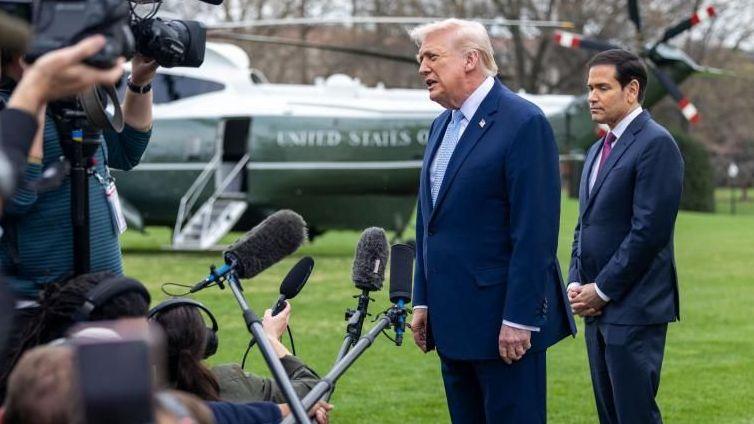
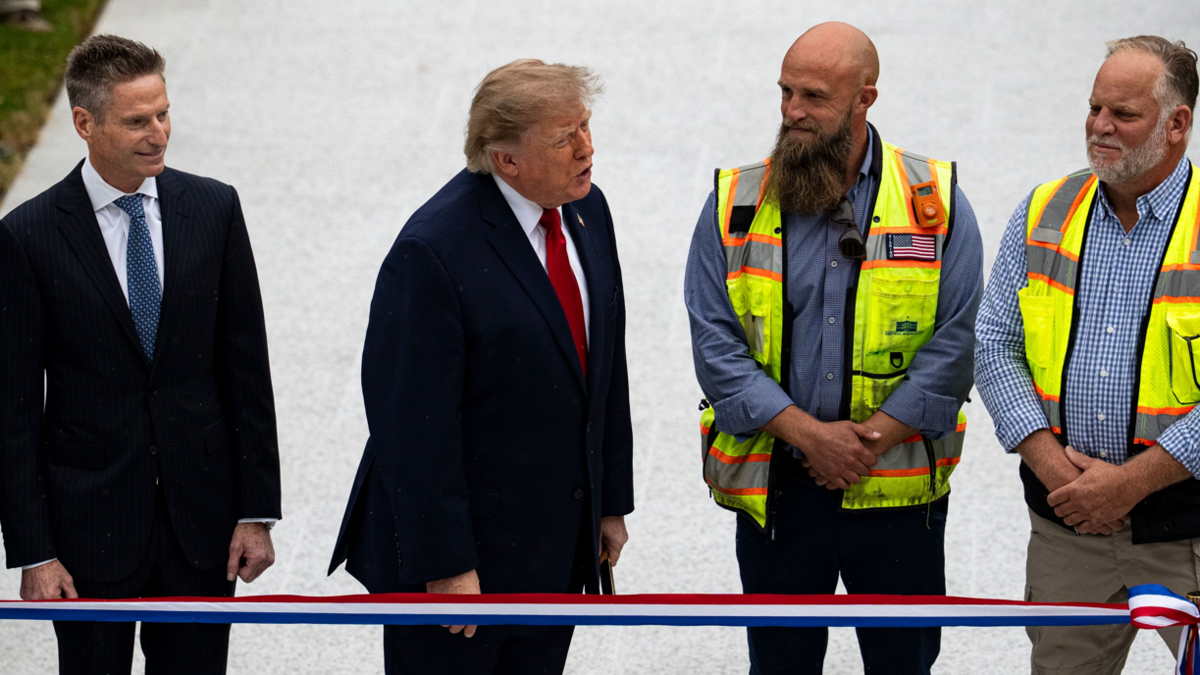
The ban on three outlets meant that the five TV‑pool members – ABC, CBS, NBC, Fox News and the remaining network – withdrew from covering presidential events. The consequence was that during the launch of a new helipad, no TV‑pool camera could capture the ceremony, and no microphone was positioned to pick up the President’s remarks. Event coverage of the president’s meeting with New York Mayor Zohran Mamdani was less affected because it did not rely on pool cameras.
Why was the TV pool pulled out?
Fox News’ Washington bureau chief said the TV pool would no longer cover events “designated as pool coverage” of the President. The five networks issued a joint statement emphasizing that “no administration should restrict a news organisation because it objects to its reporting” and cited the First Amendment as protection against such discrimination.
CNN, Politico and MS NOW have now filed a lawsuit against the Trump administration, claiming the White House should not decide what the press reports. A hearing is scheduled for Wednesday, and the courts will weigh the legal boundaries of news access.
Implications for climate reporting
The break in the traditional media pipeline threatens elections and real‑time coverage of the President’s climate policy announcements. Without a unified pool, the guaranteed quick distribution of breaking news about environmental mandates, such as new clean‑energy directives or international climate summits, is hampered. Environment advocates see the conflict as a double blow: it weakens transparency and potentially widens the spread of misinformation.
Trump’s response and “Trump TV”
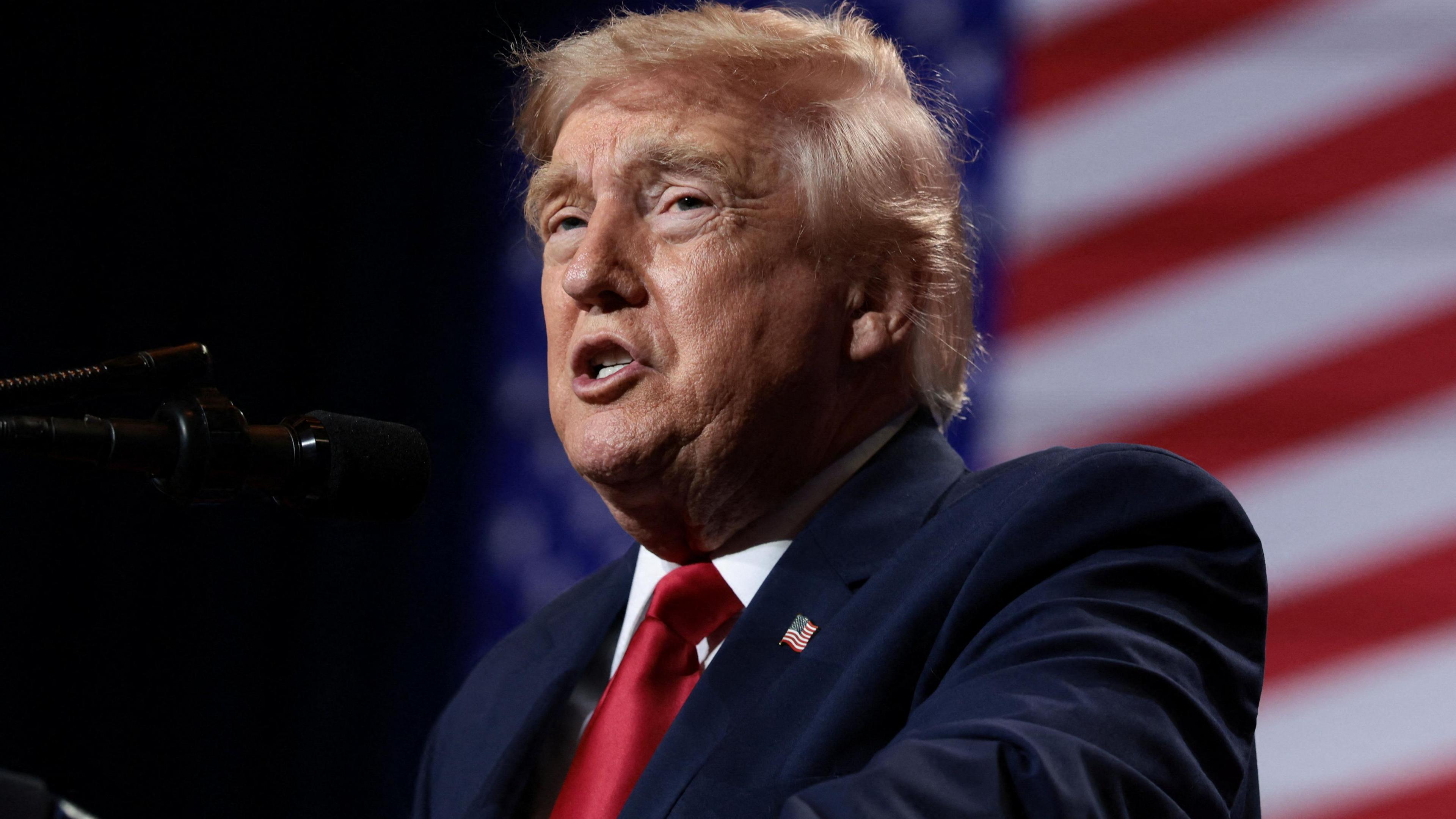
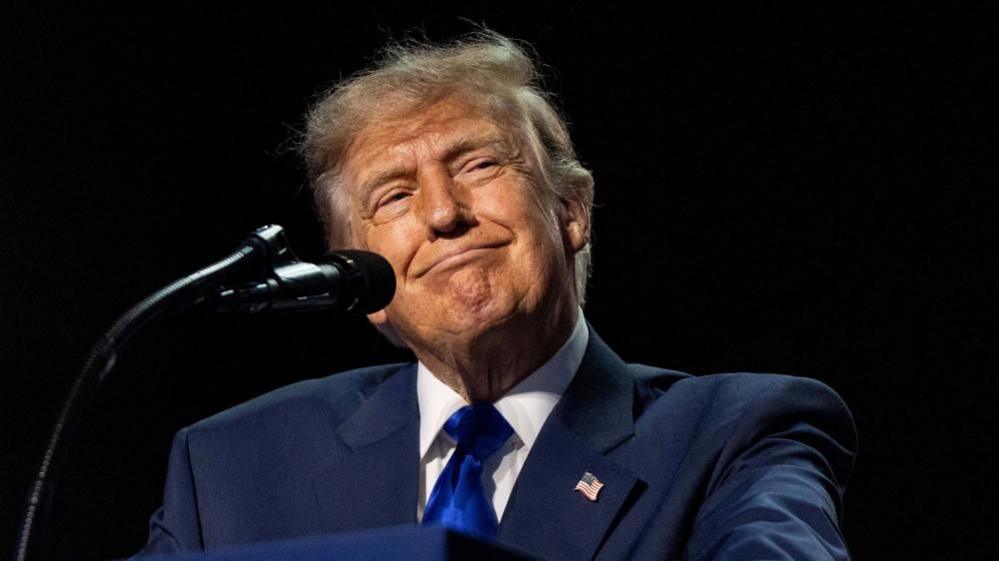
Trump dismissed the media as “Third Rate Clowns” and “Crooked and Corrupt Press”. He launched “Trump TV”, a 24/7 YouTube channel that mostly streams past speeches and rallies. The channel has no camera crew from the traditional pool and operates as a single‑voice outlet, which could lead to false or unverified claims about climate policy.
Constitutional context
The First Amendment forbids the government from “abridging” the freedom of the press. Courts have long interpreted this to prohibit discriminating against media outlets based on their content. The current lawsuit will test whether the Trump administration’s actions violate the amendment.
Past examples of media bans
In 2026, the White House took control of the press pool and restricted AP reporters from the Oval Office. The Obama administration had once tried to exclude Fox News from a sit‑down interview; after lobbying, Fox News was granted access. All these incidents highlight the broader presence of media–government friction and its potential spill‑over into environmental reporting.