In brief
Ann Telnaes, a respected cartoonist at the Washington Post, has announced her resignation following the newspaper's refusal to publish her satirical cartoon featuring billionaire Jeff Bezos and other tech moguls. In a striking Substack post, she expressed concerns about the implications for editorial independence, highlighting a moment she deemed "dangerous for a free press."
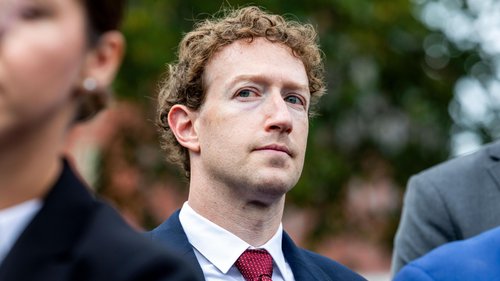
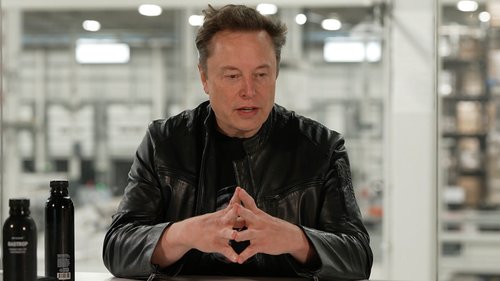
In a recent cartoon, Telnaes depicted Bezos along with Meta's Mark Zuckerberg and OpenAI's Sam Altman kneeling before a statue of Donald Trump, presenting bags of cash. Her resignation comes on the heels of allegations that the Post's editorial decisions may be swayed by the influence of its billionaire owner. Telnaes stated that this was the first time a cartoon was killed due to the subject matter at hand, emphasizing the growing constraints on creative expression. David Shipley, the Post's editorial page editor, however, defended the decision as an editorial choice based on content overlap with upcoming pieces, not because of any bias toward Bezos. He expressed his admiration for Telnaes but disagreed that their decision to not publish was influenced by external factors.The cartoon's context is made more significant by Bezos's recent financial contributions to Trump’s inauguration fund and his interactions with the president-elect, actions that have drawn scrutiny from liberal circles. The newspaper's prior decision not to endorse Vice-President Kamala Harris in the lead-up to the November election had already sparked frustration among its more left-leaning subscriber base, resulting in a loss of over 250,000 subscribers.As Telnaes’s resignation sheds light on internal conflicts regarding editorial independence, it raises critical questions about the boundaries of satire in a landscape where ownership can influence what gets published. The episode has reignited debates about the responsibilities of media owners, the role of editorial judgment, and the freedom of expression within journalistic spaces. This serious confrontation between creativity and corporate interests highlights the broader implications for how public discourse is shaped in contemporary media environments.