A Series of Murders in South Africa’s Ekurhuleni Shocks Women‑Led Climate Groups
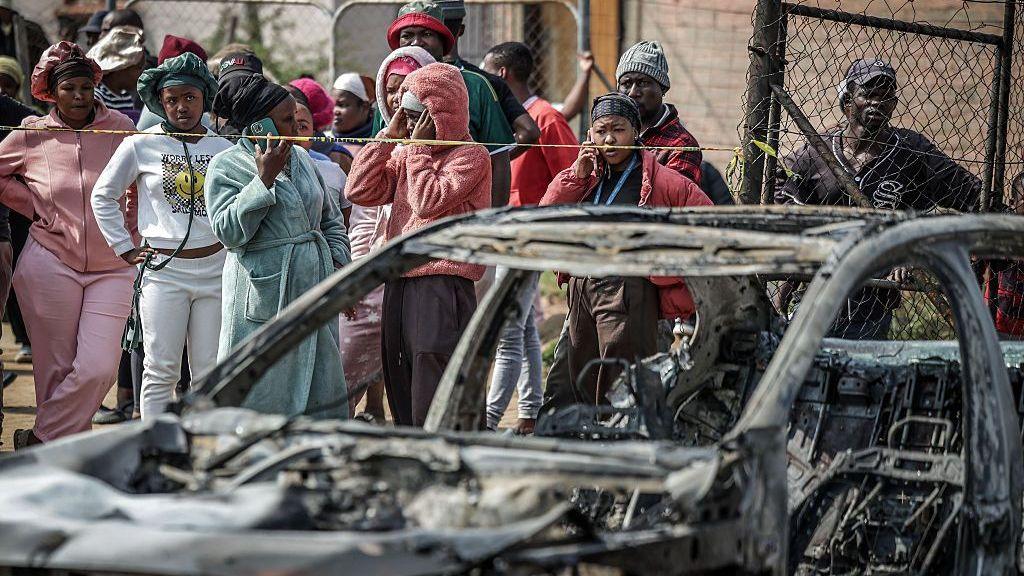
Between July and September twelve bodies were recovered in the east of Johannesburg, from the suburbs of Kempton Park to the outskirts of Tembisa. Police publicly confirmed the most recent killings on 28 September and reported arrests in three separate cases. None of the murders appear linked, yet authorities are still contemplating the possibility of a serial perpetrator.
Impact on Climate Advocacy
Women constitute a key segment of local environmental movements that drive tree‑planting campaigns, wildlife protection and community resilience projects. When that demographic is now under threat, groups cite reduced attendance at outreach events, delayed protest mobilisations and a pervasive sense of fear. NGOs warn that safety concerns could stall progress towards the national ambitious goals for carbon neutrality and biodiversity preservation.
Case Overview (selected)
- Busisiwe Mahlangu – found bound and unclothed, suspect arrested within 48 hours.
- Itumeleng Kekana – discovered bruised, no arrests yet.
- Nomfesane Mjobo – unknown motive, no arrest.
- Elizabeth Moselakgomo – found after a nationwide search, alerted media.
- Dineo Motapane – battered body found in Springs, child survivor.
- Jabulile Ntimba – suspected love‑triangle murder; two women charged.
Response from Authorities and Communities
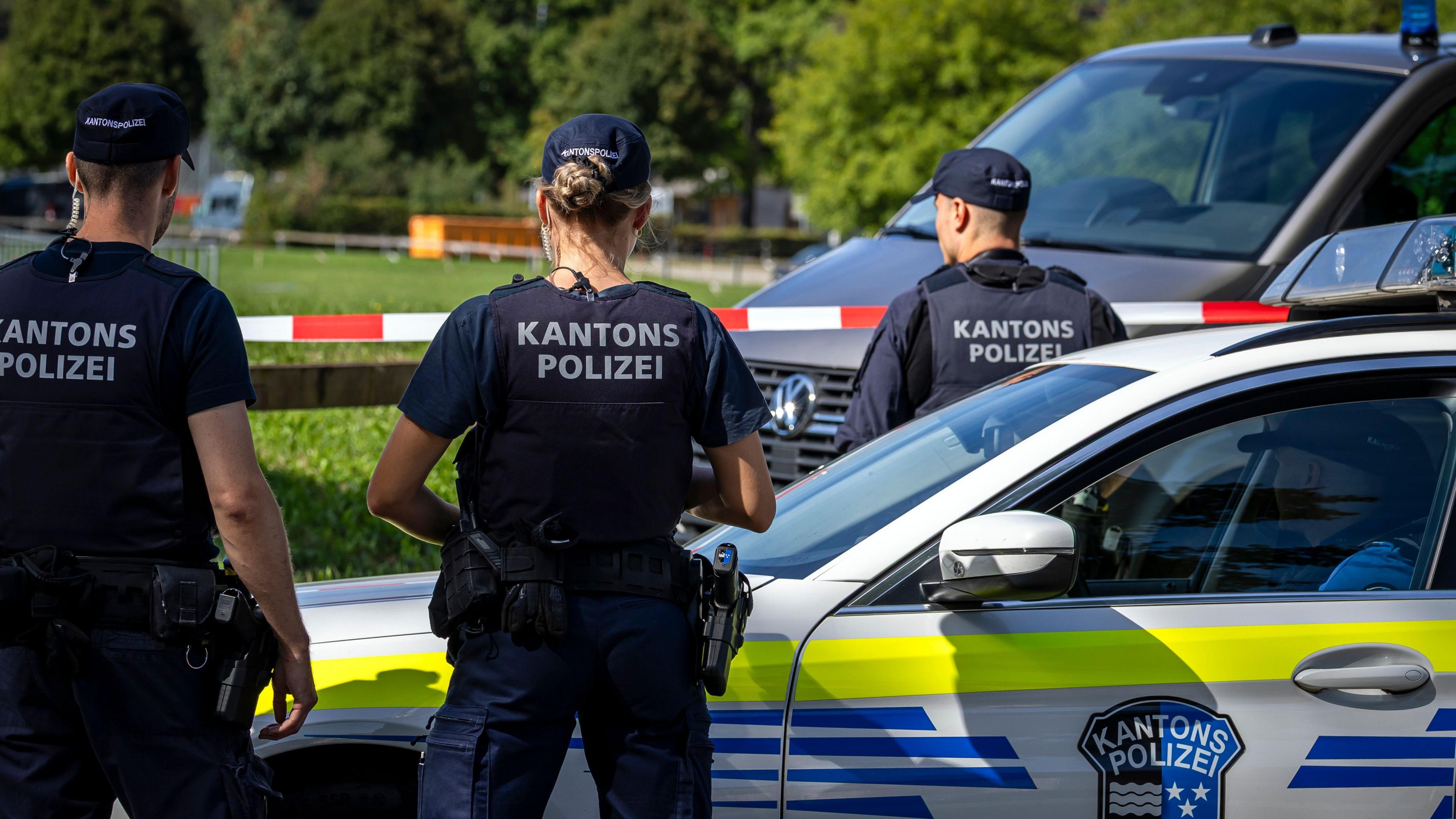
The Johannesburg police task force was established on 20 September, offering a 400,000 rand reward for tips that solve the killings. President Cyril Ramaphosa described the homicides as a “stain on our national conscience.” Community groups are organizing safe‑transport arrangements for activists, rolling out neighborhood watch programmes and lobbying for better street lighting. Local universities are partnering with citizen scientists to map high‑risk zones through real‑time data collection, aiming to channel resources to the most vulnerable precincts.
Call to Action for Solidarity
Environmental advocates, policymakers and international partners must prioritise gender‑focused safety strategies: 1) Secure street lighting and surveillance in key activist zones. 2) Provide rapid‑response community policing units. 3) Fund woman‑led outreach programmes that operate at night with escort support. 4) Deploy technology, such as location‑based alerts, to protect field workers. 5) Expand mentorship and funding for women in climate science and policy. By bridging safety with sustainability, South Africa can safeguard both its people and its ecological future.
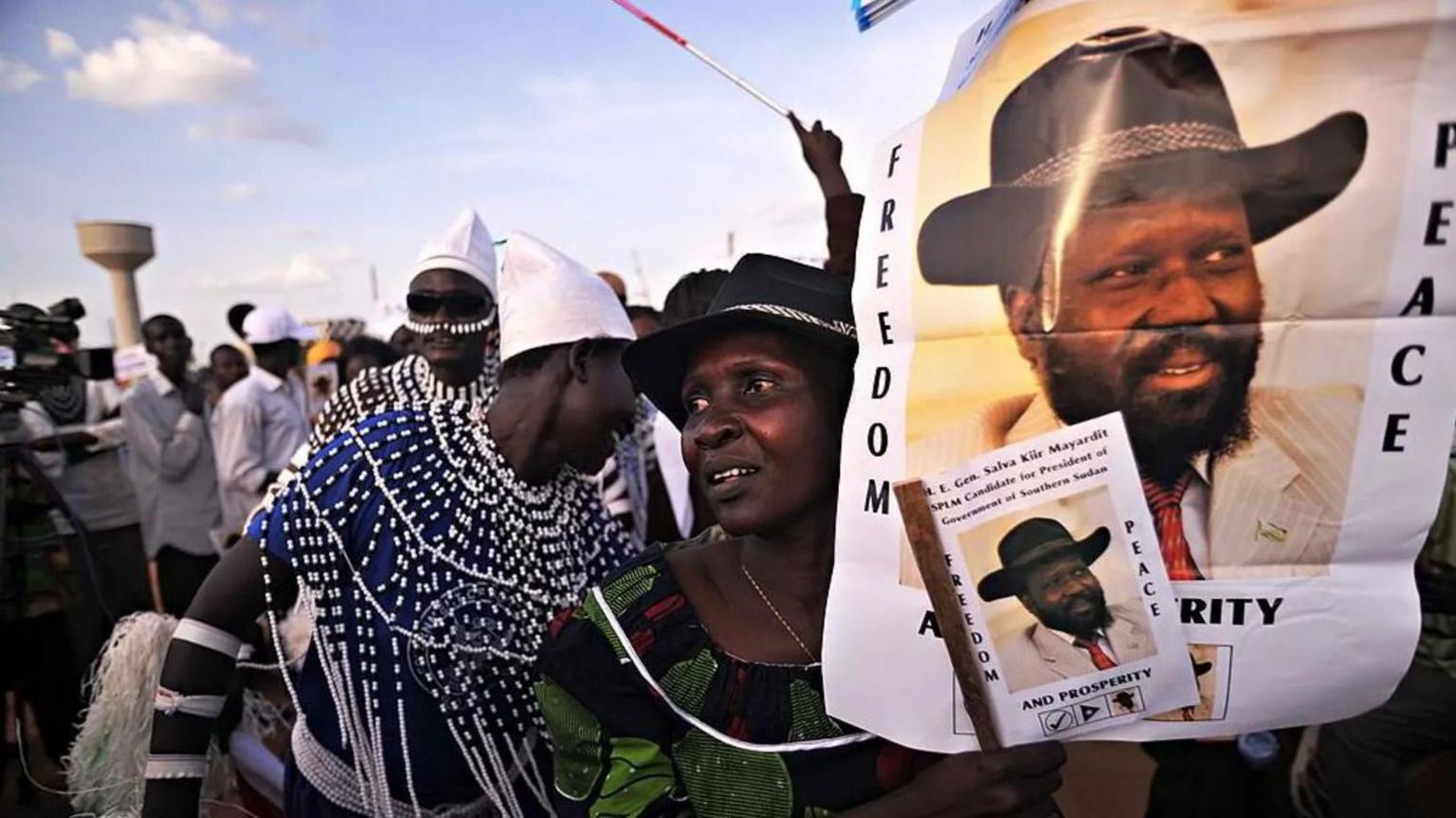
Only through collaborative security and environmental action can the cycles of violence be broken and the country continue toward climate goals. For further detail, see the accompanying photo montage below.