In brief
After a deadly earthquake claimed lives in Myanmar, former imam Soe Nay Oo grieves the loss of countless friends and family while navigating survivor's guilt and the ongoing complexities of aiding rescue efforts from abroad.
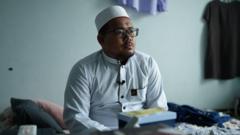
A severe earthquake struck Myanmar last Friday, claiming the lives of over 2,700 people and leaving communities shattered. As prayers echoed through the five mosques in Sagaing during the last Friday of Ramadan, disaster struck with devastating consequences. Among those affected was Soe Nay Oo, a former imam who now resides in Mae Sot, Thailand, after fleeing the military coup of 2021. The quake, which struck at 12:51 local time, led to the collapse of three mosques, including the Myoma mosque, where a significant number of worshippers met their tragic end. Soe Nay Oo learned of the imminent calamity in the days following the earthquake, discovering that approximately 170 of his loved ones, including peers, relatives, and community members, had perished. "I think about all the people who lost their lives and the victims’ children,” he shared with immense sorrow. Reports suggest that around 500 Muslims lost their lives praying at various mosques during the disaster.As rescue operations proceed, the deceased's identities are slowly being uncovered—a painful process for those left behind. More than 60 individuals were trapped beneath the rubble of the Myoma mosque, with others found outside the hall attempting to escape, clutching onto one another in desperation. Eyewitness accounts paint a harrowing picture of tragedy.Soe Nay Oo’s grief is compounded by personal loss. He mourns the death of his wife’s cousin, a beloved figure within his family. The devastation cuts deep as he reflects on the impacts of the earthquake on those he cared for, including his former assistant imam, community leaders, and close friends. "Every time I hear of another community member lost, it brings another wave of grief," he remarked. The earthquake further complicates an already tense situation in Sagaing, where ongoing conflicts between the military government and resistance groups hinder recovery efforts. "We cannot bury our families by ourselves at the end of their journey," lamented Soe Nay Oo, as the only mosque where bodies could be stored until burial was located across the Irrawaddy River in Mandalay.Currently, the Muslim families face the harrowing reality of their loss while also participating in rescue efforts. Soe Nay Oo, feeling the weight of survivor's guilt, has paused his human rights work to assist where he can. Despite the emotional turmoil and the uncertainty surrounding his own family, he continues to strive for relief for his community. “If I were there at the time of the quake, I could accept it peacefully. But now I can’t go back, and it’s painful,” he confessed, unable to suppress tears that reflect a profound loss and a deep commitment to those he left behind.