Trump orders Smithsonian to post warnings about ‘inaccurate’ U.S. history
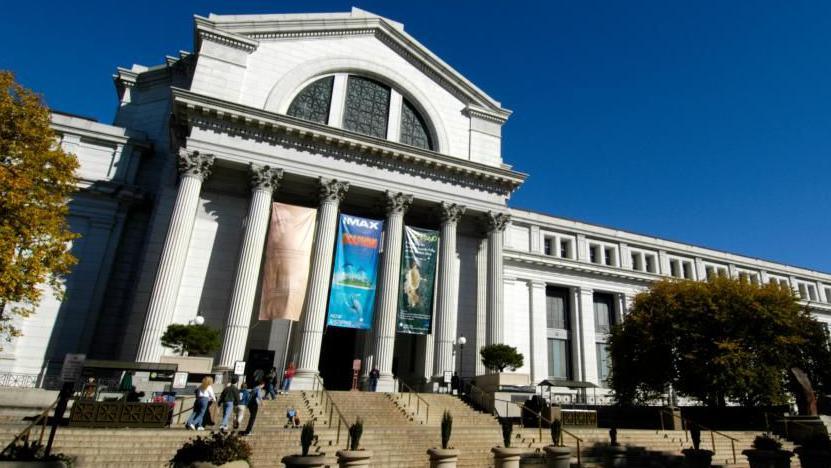
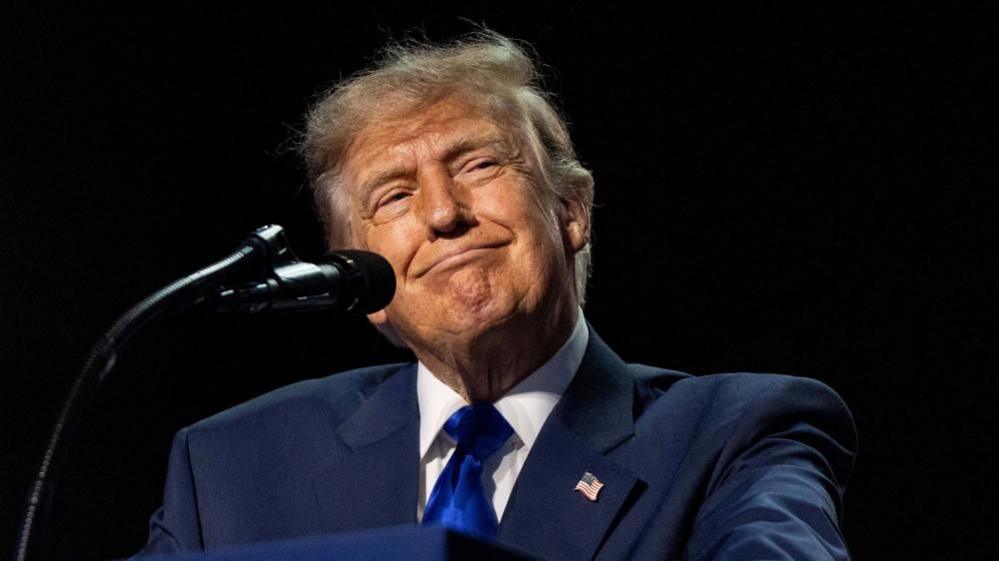
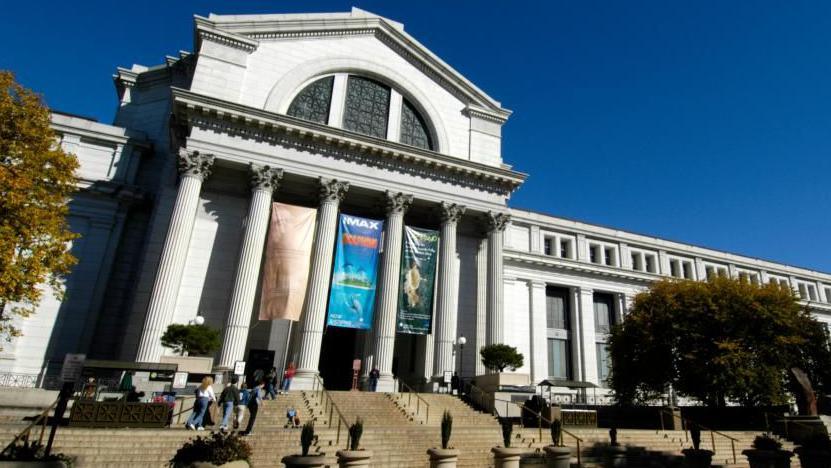
President Donald Trump has issued an executive order that tells the Department of the Interior to place warning signs outside the Smithsonian National Museum of American History. These signs will inform visitors that certain exhibits are considered “inaccurate” by the administration.
The order, titled “Restoring Trust in the Smithsonian Institution,” also instructs the museum to guide people toward other venues for “accurate” information about American history. It marks a sharp escalation in the Trump administration’s long‑running criticism of the Smithsonian and other academic institutions for supposedly promoting a “woke” or left‑leaning perspective.
In a statement accompanying the order, the White House accused the Smithsonian of using “radical transformation” themes rooted in Marxism to divide and discourage Americans. It described the museum’s leadership as allowing a “prime tool” for advancing social justice at the expense of celebrating America’s founders during the 250th anniversary of independence.
The directive comes a few days after Smithsonian Director Anthea Hartig was grilled by Republican lawmakers in two congressional hearings, where the museum’s alleged “infected by woke ideology” was scrutinized. Earlier this month, the Domestic Policy Council released a scathing report claiming the Smithsonian “erases our heritage.”
Trump has already signed several orders aimed at eliminating diversity, equity, and inclusion programs from federal agencies—moves that have faced legal challenges. His March order directed the Smithsonian to “eliminate improper, divisive, or anti‑American ideology.”
The Smithsonian is a federally funded entity, hosting 21 museums across Washington, Virginia, and New York and welcoming 15–30 million visitors each year. Its educational programming and exhibits have long served as a public portal to American cultural and historical discourses.
Related Insights
- How museums shape national identity and public memory.
- Debates over political influence on cultural institutions.
- The role of federal funding in maintaining accessible historical sites.