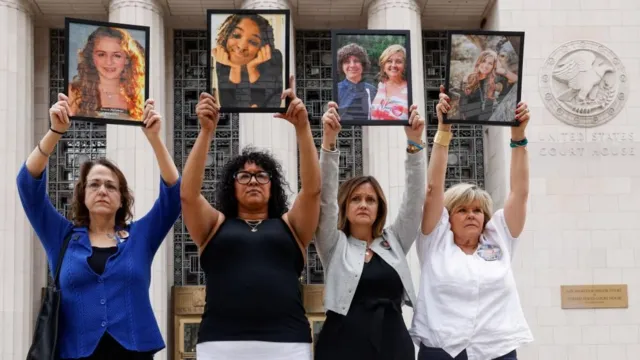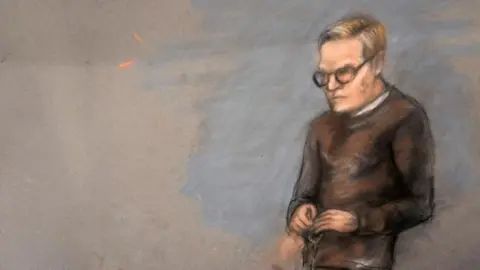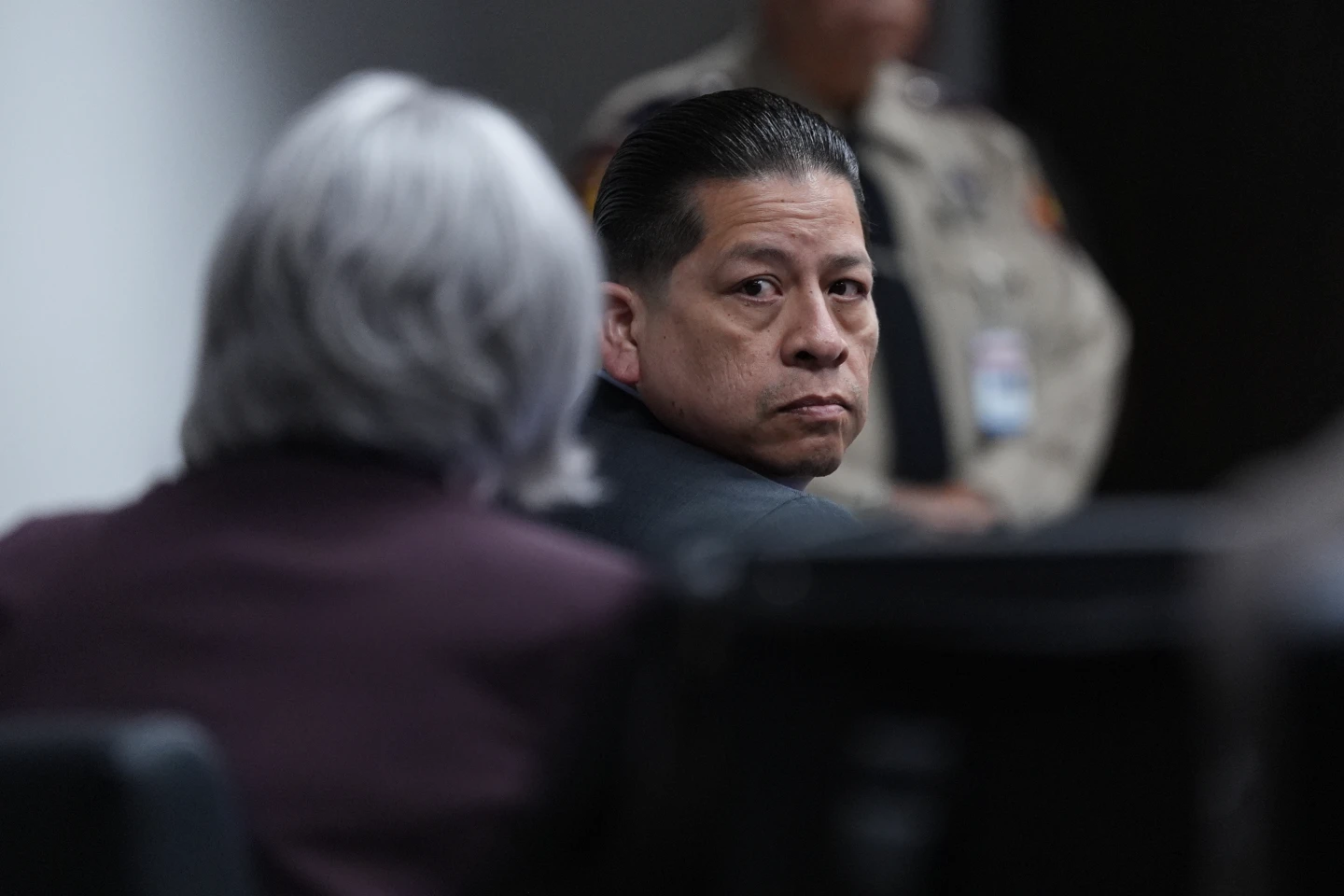
The ongoing trial of former Uvalde, Texas, school police officer Adrian Gonzales has raised critical questions regarding police accountability in active shooter situations. Prosecutors argue that Gonzales failed in his duty to act during the crucial early moments of the 2022 Robb Elementary School shooting, where 19 students and two teachers lost their lives.
After more than a week of testimonies, the prosecution rested on Tuesday, as jurors heard from a range of witnesses, including frantic teachers and distraught parents, who provided chilling accounts of the tragic events. This testimony highlighted the urgency of police response during the shooting, intensifying the emotional atmosphere in the courtroom.
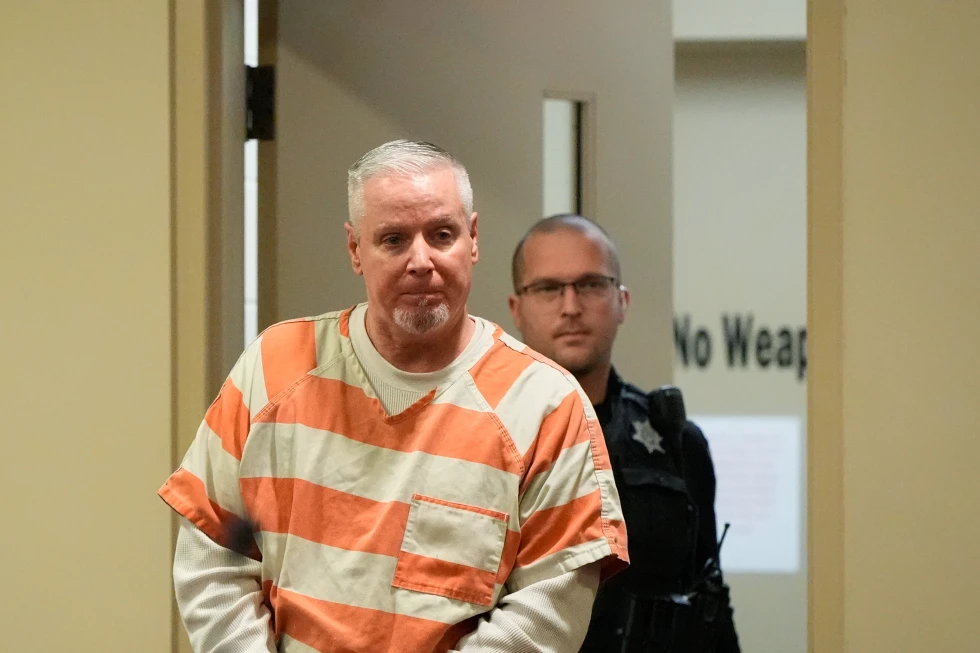
Gonzales, who has pleaded not guilty to 29 counts of child abandonment or endangerment, faces up to two years in prison if convicted. His defense team called witnesses to support their claim that Gonzales did not see the shooter, asserting that he did not freeze in the chaos, as alleged by the prosecution.
Throughout the trial, gripping and emotional testimonies painted a vivid picture of despair and confusion as the shooter executed the attack. Jurors were presented with harrowing audio recordings of gunfire and descriptions of horrific injuries sustained by the victims, further underscoring the need for rapid police intervention.
As the defense prepares to respond, the case serves as a critical lens through which to examine police conduct in emergency situations and raises concerns about systemic failures that can occur during crises. Gonzales' fate now lies in the hands of the jury, as deliberations approach on a case that has gripped the nation with its profound implications for school safety and law enforcement accountability.