In brief
Shankar, the only African elephant at Delhi Zoo, died from the encephalomyocarditis virus (EMCV), a rodent-borne pathogen. His life was marked by isolation after losing his companion in 2001. Activists had long urged for his relocation to a sanctuary, highlighting urgent issues surrounding captive wildlife care and the threat of zoonotic diseases.
A rodent-borne virus led to the death of the only African elephant at the zoo in Indian capital Delhi, officials have confirmed.
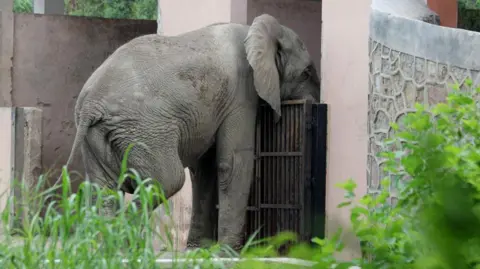
Shankar, a 29-year-old male elephant, died on 17 September after spending most of his life in isolation. Initially, the cause of his demise was unknown, but an autopsy recently revealed that he tested positive for encephalomyocarditis virus (EMCV), according to Delhi Zoo director Sanjeet Kumar.
EMCV is known to cause fatal inflammation of the heart and can also lead to brain fever in mammals. The virus spreads through rodent droppings and urine, which raises questions about the zoo's environment and safety protocols.
Most outbreaks of EMCV happen among captive animals in settings like pig farms, primate research centers, and zoos. The virus's rapid replication can result in sudden death, with no specific antiviral treatment available.
A 2012 study noted that EMCV had been documented in various animals, including pigs, rodents, big cats, and African elephants. First isolated in 1945, the virus has since affected animals across multiple continents.
While EMCV was first isolated in India in the late 1960s, Shankar's case represents the first recorded death from the virus in the country, suggesting underreported instances may exist.
Shankar's solitary existence sparked sadness among activists and animal lovers who had advocated for his rehabilitation in a wildlife sanctuary for years. After his companion died in 2001, Shankar was temporarily housed with Asian elephants but soon ended up in solitary confinement, despite a 2009 federal ban on keeping elephants alone for extended periods.
In 2012, Shankar was relocated to a new enclosure that left him in solitude until his death. Following his passing, only one African elephant remains in India, living alone at a zoo in Mysore.
The incident highlights critical issues in animal welfare within zoos and the potential public health risks from zoonotic diseases, urging the need for reforms in wildlife care and management.