Television isn’t dying. It’s already dead.
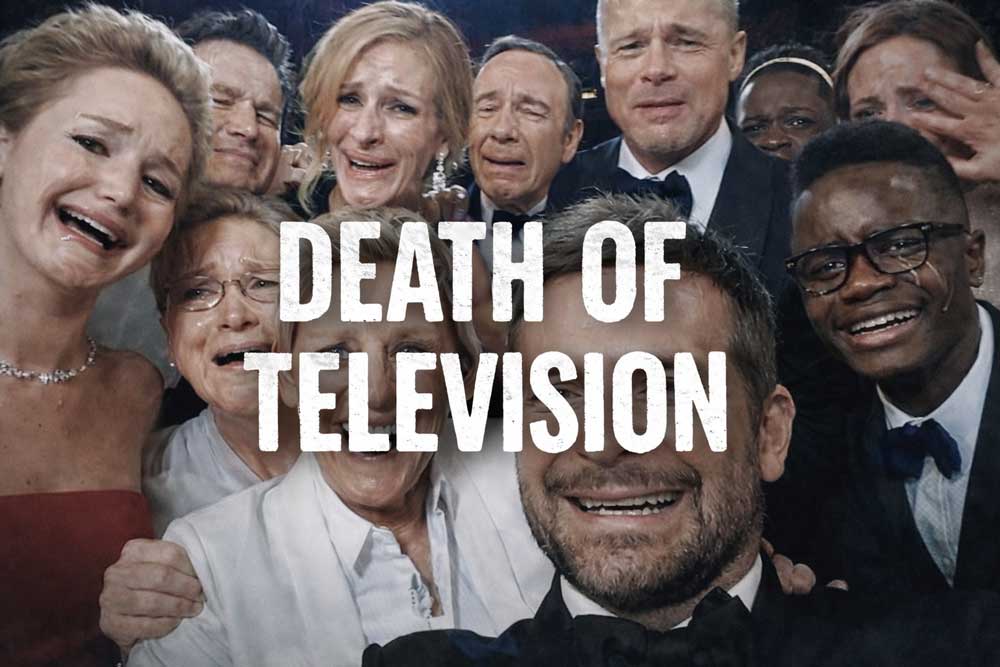
For generations, broadcast television was the cultural center of gravity. If a moment mattered, it happened live on TV. The Oscars weren’t just an awards show; they were a national event shared by millions.
But those days are gone.
In 1998, the Academy Awards attracted over 57 million television viewers, showcasing its cultural dominance. By 2025, however, the ceremony struggled to gather around 19–20 million viewers, a significant drop that indicates a collapse, not just a dip.
The fragmentation of television's audience is clear: as of 2025, streaming accounts for around 45% of all U.S. viewing time, while broadcast television now constitutes only 20%. Additionally, key demographics have seen live television viewership decline between 18% and 30% annually.
Why do awards shows appear irrelevant? Their value stemmed from communal experiences—shared viewing moments that everyone talked about. Now, social platforms enable personalized consumption, where audiences collide with content rather than gather for a live airing.
As traditional institutions abandon broadcast formats, it signifies not innovation but surrender—a recognition that audiences have chosen to engage differently, voting with their attention for platforms that prioritize rapid, accessible content over lengthy broadcasts.
In conclusion, legacy television’s grip on culture has loosened significantly, and the trends indicate a focus on brief, impactful engagements that now shape how we consume media.