In brief
As Windsor braces for a trade war fallout from US tariffs on vehicles and components, the deeply integrated automotive community fears for their jobs and livelihoods, with local leaders urging for urgent trade negotiations.
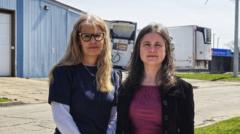
In Windsor, Ontario, a city steeped in automotive history, anxiety hangs heavy as workers face potential upheaval from new U.S. tariffs on cars and parts. Kathryn and Chad Lawton, who represent a lineage of Ford workers, express their frustration at the tariffs, pointing out that these jobs have historically been Canadian. With a significant portion of the economy centered around the auto industry, the impact of a proposed 25% national tariff, coupled with blanket tariffs on steel and aluminum imports, can hardly be understated. Domestic employment in the automotive sector is substantial, with approximately 24,000 direct jobs and many more relying on related industries. The area's rich history, rooted in complicated cross-border supply chains with neighboring Michigan, raises the stakes for auto workers who have seen their jobs affected by economic fluctuations in the past, such as the 2008 financial crisis. John D'Agnolo, head of local union Unifor Local 200, warns of an impending recession as local purchasing power dwindles.Among the workers, frustration is palpable; many feel betrayed by the U.S., traditionally seen as an ally. Comments from assembly line worker Austin Welzel aptly capture the sentiments: “It seems like a stab in the back.” Fear surrounding job security looms large, with workers like Christina Grossi reflecting on not just the financial impact of a job loss but the loss of purpose tied to their work. Local experts warn the complex nature of tariff assessments could signal disruptions in production lines stretching across North America. The implications of tampering with this interconnected web could ripple through communities, affecting everything from restaurants to charities tied to the auto sector's health.The situation remains a pivotal issue in Canada's upcoming federal election, forcing political leaders to present solutions aimed at safeguarding manufacturing jobs. Prime Minister Mark Carney has promised a substantial fund aimed at enhancing competitiveness and supporting the auto sector, while competing parties echo concerns and propose various measures in response to the crisis.Windsor’s economy hangs precariously in the balance, with local businesses like the Penalty Box sports bar expressing fear over the potential loss of clientele if automotive jobs begin to vanish. As the community waits, Chad Lawton reflects on the uncertainty of this moment, stating, “I've never seen anything close to this,” highlighting the unique and unpredictable nature of the crisis at hand.